

The fiber laser has revolutionized the metalworking industry thanks to its high performance, extreme precision, and versatile use. Today, it represents the most advanced and competitive solution for industrial cutting of metal and tubes. Compared to alternatives such as plasma and water jet, the fiber laser offers higher speed, flawless cutting quality, energy efficiency and low operating costs. Moreover, it is a sustainable technology that avoids waste and does not require the use of polluting substances.
But how exactly does it work, and what are its main applications?
What is a fiber laser?
A fiber laser is a type of solid-state laser in which the active medium is an optical fiber doped with rare earth elements such as ytterbium, erbium, or neodymium. The laser beam is generated within the fiber itself and amplified along its lenght. Is is then guided with extreme precision to the cutting head, where it is focused to a point just a few hundredths of a millimeter wide. The compact and efficient design of fiber laser systems enables the production of high-quality laser beams for complex and high-precision industrial processes.
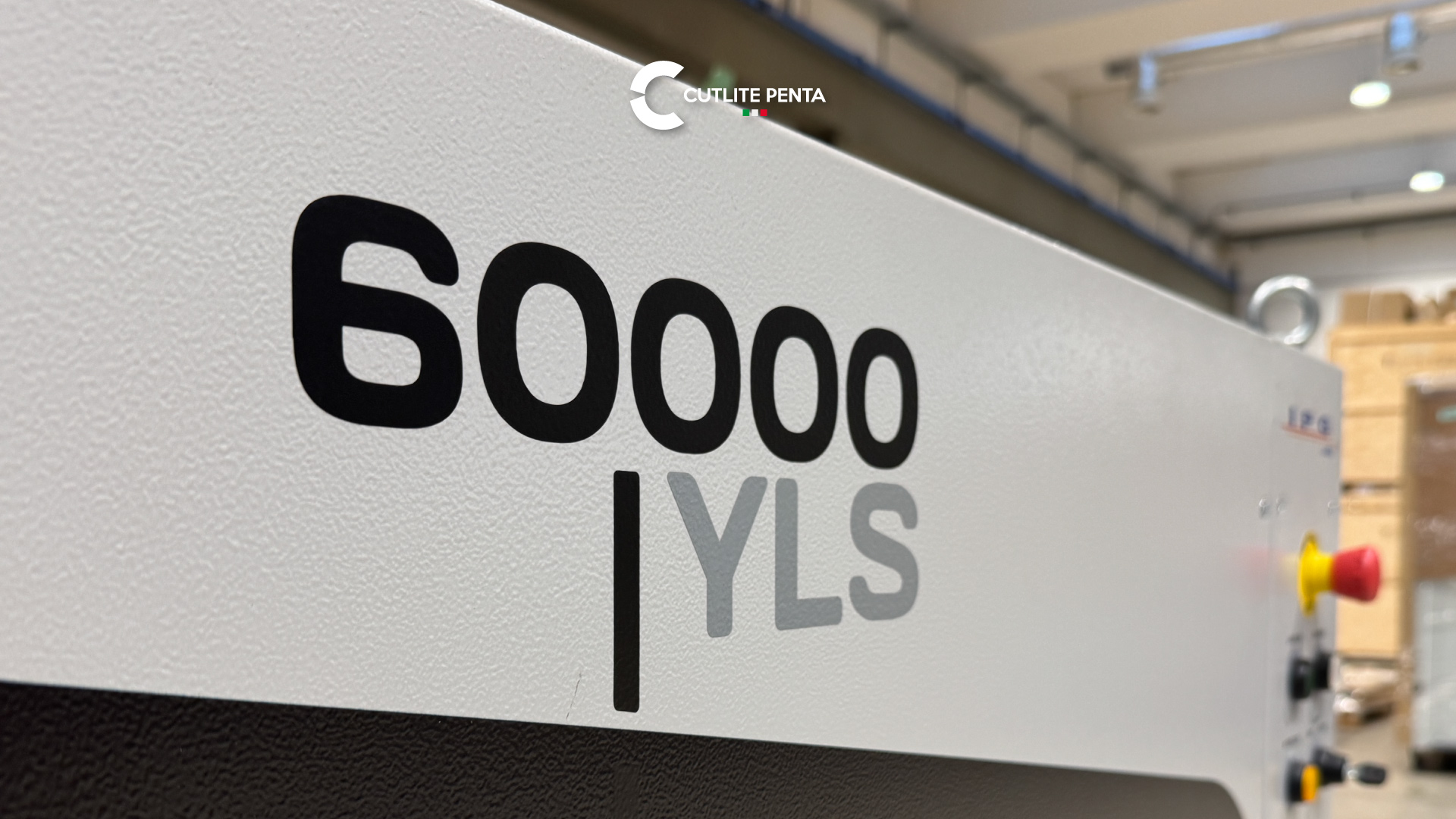
This technology allows for fast and precise cutting, even of thick or highly reflective materials such as aluminum and copper. It can also achieve extraordinary power and speed performance, as seen in the 60 kW laser systems developed by Cutlite Penta, meeting the demands of a a constantly evolving market.
How does fiber laser cutting work?
Each laser cutting system is distinguished by its technology, power, beam quality, and applications. The sector is vast, and laser system performance can vary significantly between manufacturers. However, the general operation of fiber laser cutting typically follows these steps:
- Beam generation: A diode source pumps light into the optical fiber doped with active elements (such as ytterbium, erbium, or neodymium). These elements absorb the energy and convert it into a coherent, high-intensity laser beam.
- Beam amplification and transmission: the light energy propagates through the doped fiber and is amplified via the process of stimulated emission. The fiber acts both as the gain medium and the waveguide, resulting in the generation of an extremely concentrated laser beam. The beam travels through the optical fiber with no loss of quality until it reaches the cutting head.
- Focusing, emission, and cutting: the laser beam is emitted from the processing head and focused by a lens system onto a precise point on the material. This creates extremely high power density, melting the material instantly. A gas jet (typically nitrogen or oxygen) blows away the molten material, completing the cut.
The result is a clean, sharp cut with smooth edges that requires no additional finishing, significantly reducing processing time.
Key technical features of fiber lasers for metal cutting
- Wavelenght: 1060-1080 nm (infrared)
- Power: from a few tens of watts up to 60kW
- Electrical Efficiency: up to 40%
- Beam quality: very high (TEM00 mode)
- Operational Lifetime: up to approximately 100,000 hours
Why choose fiber laser for industrial cutting
The properties of fiber laser technology, further enhanced by its constant evolution, offer exclusive advantages to companies across a wide range of industries. Among the main reasons why more and more businesses are choosing fiber laser systems are:
Energy efficiency
Compared to other cutting systems, fiber laser systems offer much higher efficiency, significantly reducing energy consumption and operating costs. For example, Cutlite Penta’s laser technology can reduce energy use by up to 50% compared to plasma cutting.
Reduced maintenance
The compact design of fiber laser systems and the absence of mechanical contact with the material drastically reduce maintenance needs and the risk of downtime. In the case of high-power laser systems from Cutlite Penta, increased cutting speed and precise process control allow for the completion of production cycles while also optimizing the use of consumables.
Cutting quality and speed
Fiber lasers deliver significantly higher cutting quality than other methods, ensuring maximum precisioneven in complex processes and with thick materials. Cutlite Penta systems also achieve exceptional cutting speeds. For example, a 60 kW laser can cut 50 mm Hardox sheet at a speed five times faster than plasma (2,200 mm/min). The EVO 3 cutting head, developed in-house, ensures flawless quality even at extremely high power levels.
Productive versatility
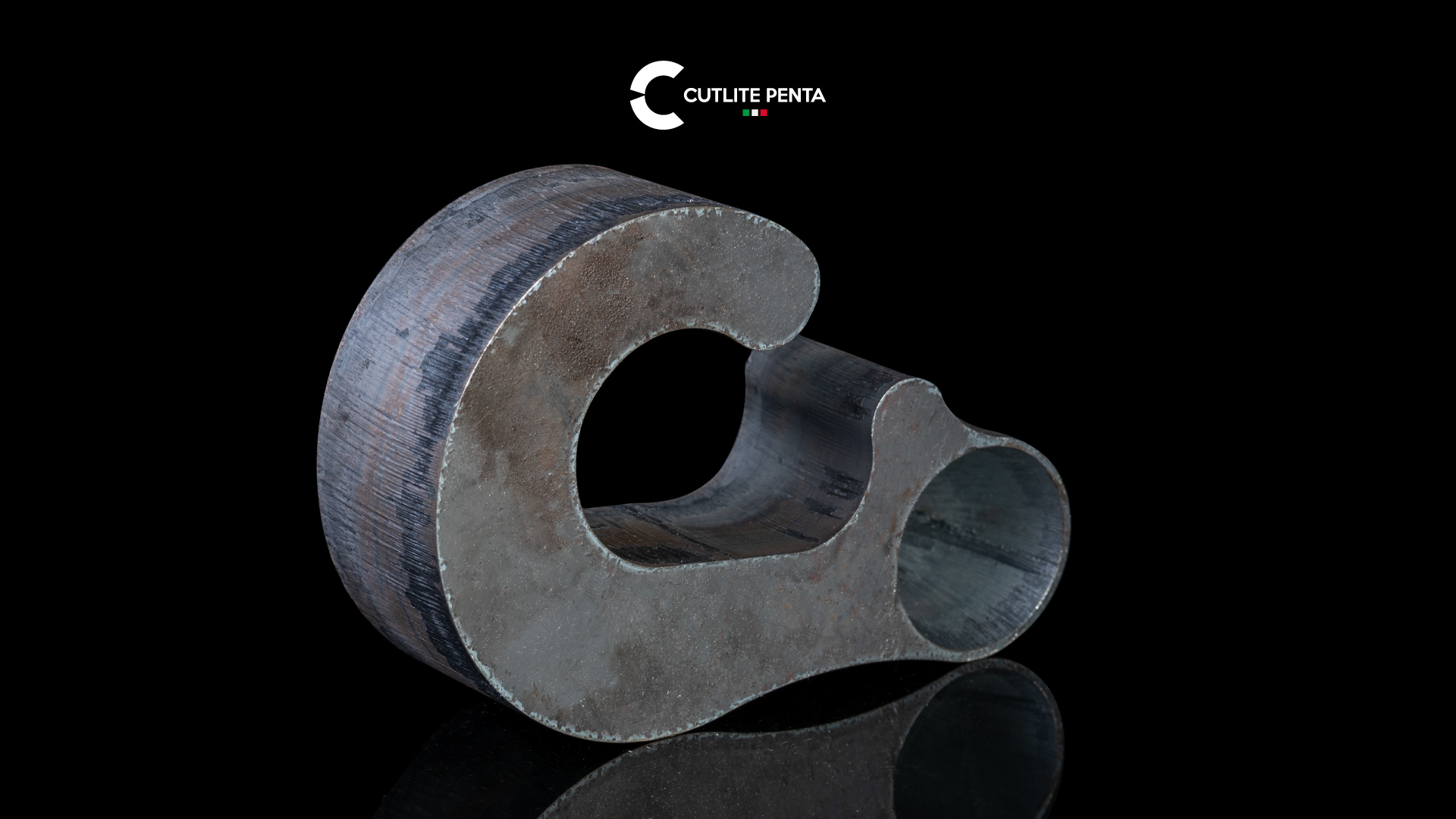
Fiber lasers are ideal for processing a wide range of metals, including reflective ones that cannot be cut with other thermal technologies. Moreover, the most advanced laser systems allow for cutting both sheet metal of varying thicknesses and metal tubes or profiles, with different angular cuts and customization options.
Sustainable technology
In today’s industrial landscape, a focus on sustainability is essential for implementing environmentally responsible and efficient production processes. Fiber laser systems help minimize waste, both in terms of energy consumption and material usage, thanks to their cutting precision, which produces little to no scrap. This leads to optimized raw material procurement and more efficient warehouse management. Additionally, laser technology does not use polluting substances, protecting both the environment and operator health.
Advantages of fiber laser over plasma and WaterJet
Until just a few years ago, fiber laser technology competed on the market with other metal cutting systems such as plasma and water jet. Today, fiber lasers have surpassed both of these technologies, especially with the introduction of groundbreaking high-power systems like Cutlite Penta’s 60 kW machines. Here are some of the key reasons why fiber lasers have become the leading technology for metal cutting, even with high thicknesses:
Fiber laser vs plasma
- Superior precision: fiber lasers perform much more precise cuts, with tight tolerances and clean edges, eliminating the need for rework.
- Production cycle optimization: with Cutlite Penta’s Bevel cutting systems for angled cuts (+/- 50°), welding can proceed immediately after cutting, with no need for intermediate processing.
- Higher power and speed: high-power laser systems deliver performance unattainable with plasma, offering speeds up to 5 times faster and operating costs reduced by up to 50%.
- No slag and minimal heat-affected zone: unlike plasma, lasers do not produce slag and preserve the metal’s mechanical properties.
- Cutting reflective metals: fiber lasers can effectively cut metals that are difficult for plasma systems due to their reflective surfaces (e.g., copper, brass, polished aluminum).
- Automation and Integration: Fiber systems are more compact and easier to integrate into production lines, typically requiring less floor space in the facility.
Fiber laser Vs WaterJet
- Much higher cutting speed: the laser cuts metals much faster, improving productivity.
- No need for abrasives: Water jet systems require costly consumables and much more complex management.
- No risk of contamination: laser dry cutting avoids the water and sand residues typical of WaterJet processing.
- Lower maintenance requirements: fiber laser have fewer wear-prone components, resulting in long-term maintenance savings.
Unlike older technologies such as plasma and WaterJet, fiber laser systems therefore ensure superior cutting quality, require less maintenance, consume less energy, and integrate easily into production lines. This operational efficiency translates into higher productivity, less waste, and shorter cycle times—crucial factors for meeting the demands of an increasingly dynamic market.
Thanks to Cutlite Penta, fiber laser technology is now available even for cutting thick metals and large formats, definitively surpassing other cutting solutions.
Applications of fiber laser in the metal industry
Thanks to the advantages it offers companies and the extraordinary evolution in recent years, fiber laser systems are now used in many sectors that work with metal. Among the main applications:
Sheet metal cutting
Fiber laser cutting is the most advanced technology for processing carbon steel, stainless steel, aluminum, and other metal sheets. It enables complex operations with cutting precision that requires no further mechanical processing. It is especially valued in the production of machinery components, lightweight metal structures, and any application where the highest cutting quality is required.
The absence of significant thermal deformation also allows for tight tolerances to be maintained even on large surfaces. The process can be easily controlled via CAD/CAM software for both series production and highly customizable, made-to-measure jobs.
Cutting of tubes and profiles
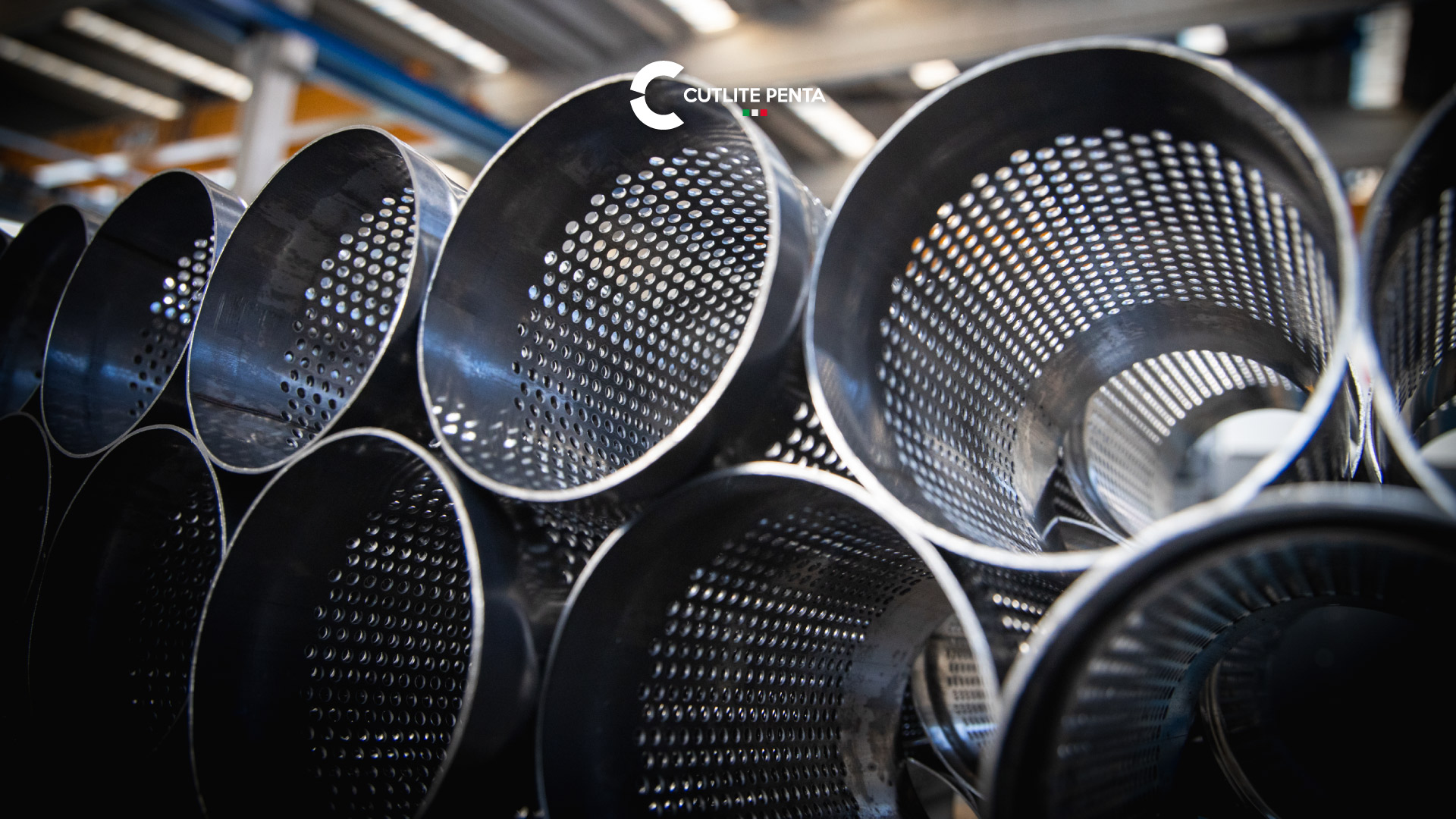
Fiber laser technology is increasingly used for cutting round, square, rectangular tubes and complex profiles. Tube cutting machines are equipped with rotating chucks and interpolated axes that enable ultra-precise three-dimensional machining. This allows for the creation of perfect joints between tubes for load-bearing structures, shelving, frames, and metal furniture.
The precision and repeatability of the laser help reduce assembly and welding times, eliminating the need for rework. For this reason, fiber lasers are highly competitive compared to punching or traditional mechanical machining.
Naval sector
In the naval sector, fiber laser cutting is used for processing large metal sheets employed in the construction of hulls, decks, and superstructures. Cutting quality is essential to ensure precise joints and reliable welds, especially on structural steels and light alloys.
The laser also helps reduce production time thanks to higher speeds compared to other technologies and the possibility of automating the process. Cruise ships, ferries, and military vessels benefit from this technology in the creation of structures that are both lightweight and strong.

Railway sector
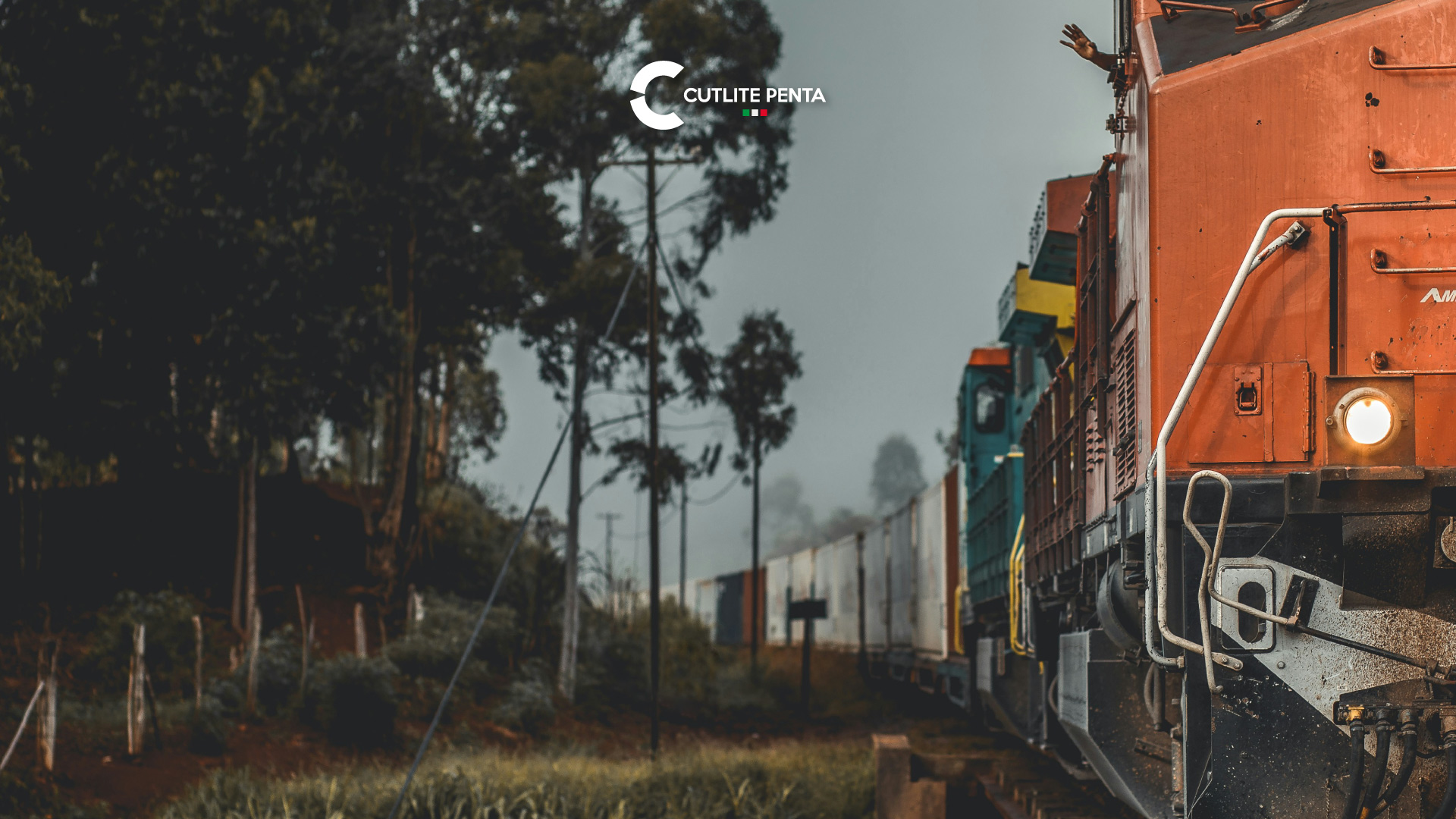
Fiber laser systems also play a key role in the production of railway rolling stock. Laser technology allows cutting the sheets that make up carriages, frames, and internal structures.
In this case as well, it is possible to achieve parts with millimeter tolerances, ideal for fast assembly without rework. The materials used, often high-strength steels or light alloys, do not undergo any alteration of mechanical properties during processing, thanks to the lack of contact.
Moreover, the laser’s adaptability allows for the production of small customized batches, including special or made-to-measure orders.
Automotive sector
In the automotive industry, where customization is increasingly important, fiber laser cutting has become a well-established technology. It is used in the production of frames, brackets, battery components, panels, and structural reinforcements.
With the rise of electric mobility, the need to efficiently and precisely cut aluminum and light alloys is growing. The laser’s ability to perform fast and flawless cuts even on thin or medium thicknesses allows vehicles to be lightweighted without compromising strength.
Additionally, the process flexibility enables adaptation to highly customized designs or real-time changes in the production cycle.
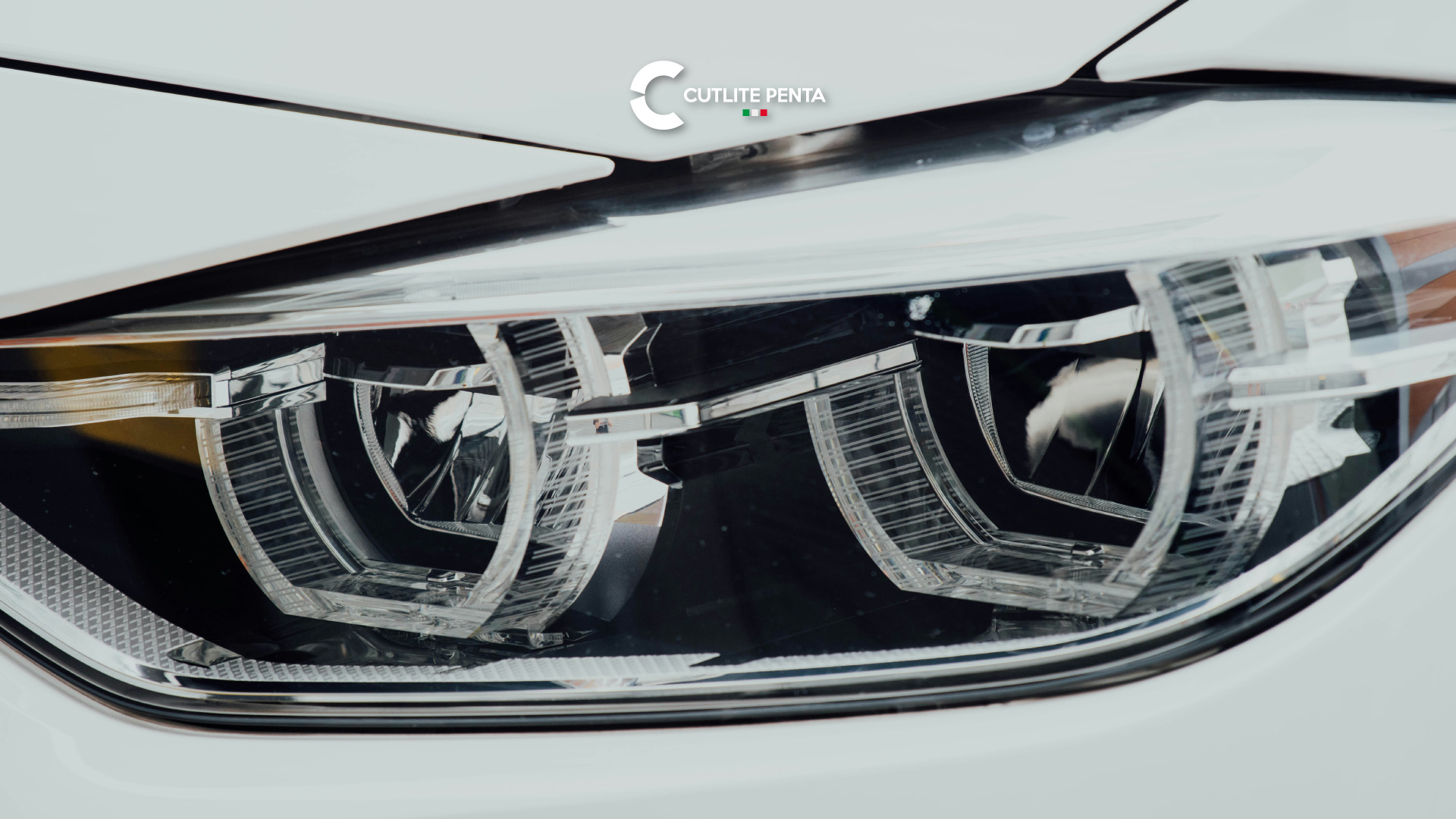
Cutlite Penta laser systems: the performance leader
While fiber laser technology combines versatility, precision, and reduced operating costs, not all laser systems deliver the same performance. Cutlite Penta laser systems stand out for their ability to combine extremely high cutting quality, exceptional efficiency, and power up to 60 kW—available for the first time in Europe—making them the strategic choice for companies aiming to stay competitive in the metal cutting industry.
Choosing a Cutlite Penta laser system means relying on a product entirely Made in Tuscany, transforming your production with reliable technology and outstanding performance. The perfect choice to secure today’s position and lead in tomorrow’s market.

