


Laser cutting in carpentry: every way to use it
From a single plate to a complete frame. In light carpentry as in heavy.
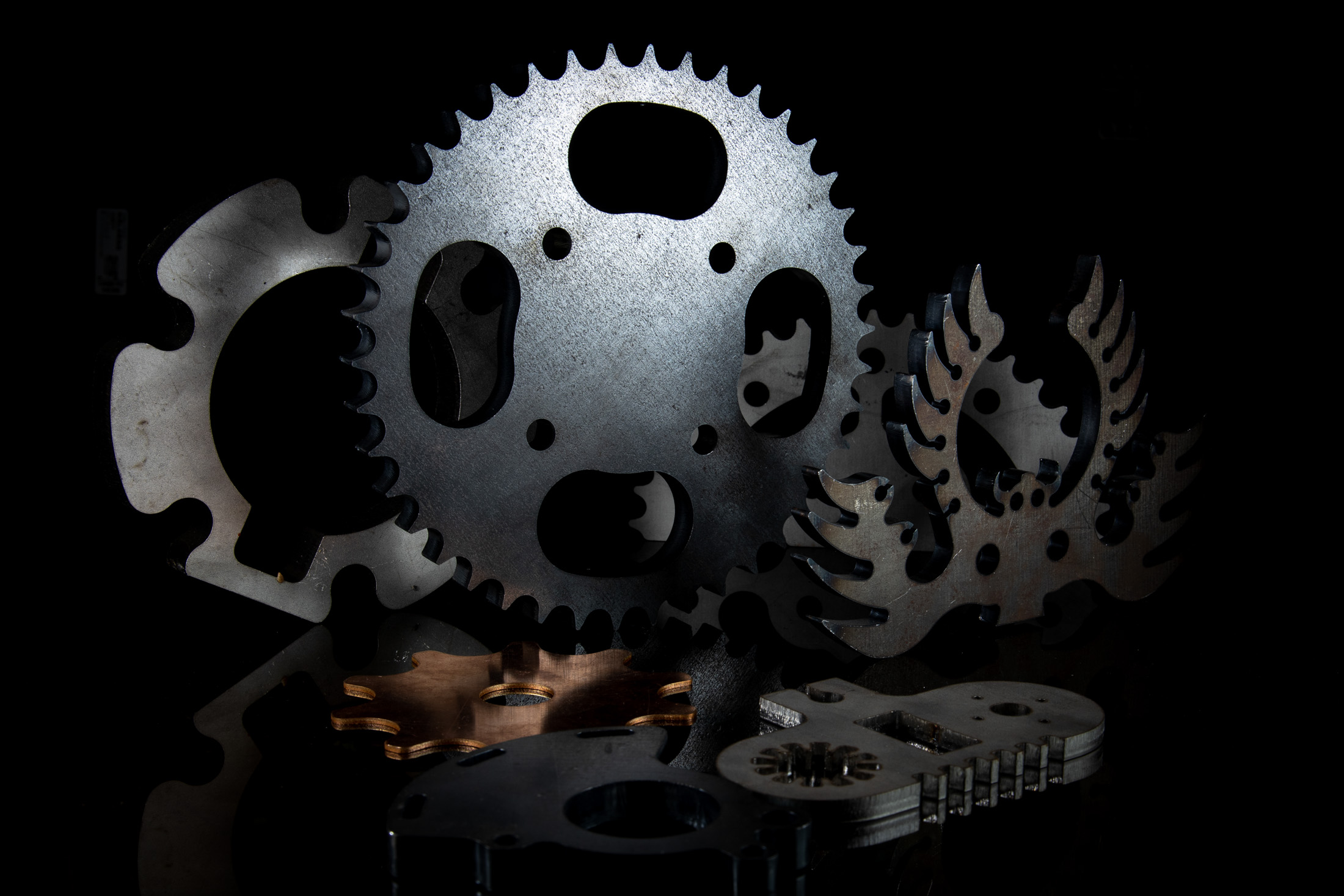
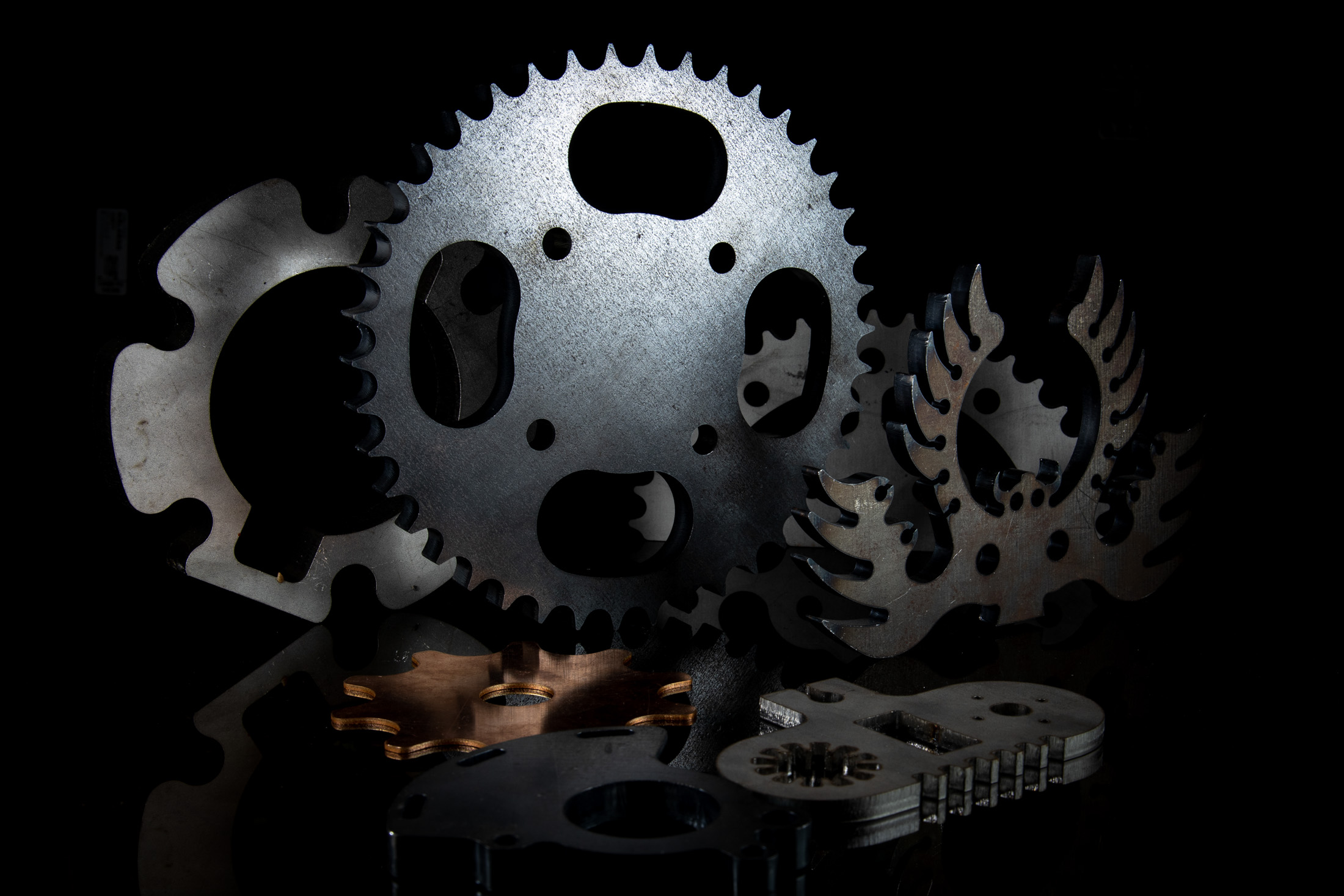
Laser cutting in carpentry lets you cut with great precision metals such as iron, stainless steel, aluminium and copper — and also marble, granite, plexiglass and plastics. With the right laser systems you make plates, frames and structures, from fine carpentry to medium-heavy work.
What is carpentry and where does laser cutting fit in?
Carpentry is the assembly of custom-prepared elements to build and install structures of various kinds, either fixed or movable.
Laser cutting can be used in fine or light carpentry, but also in medium-heavy carpentry. Every job carried out with laser technology meets quality control and delivers a final result superior to any standard cutting system.
Those who use laser technology in carpentry can count on work ranging from a simple laser-cut plate to more complex cutting, which can also include complete frames for machines and structures.
Laser cutting in heavy carpentry
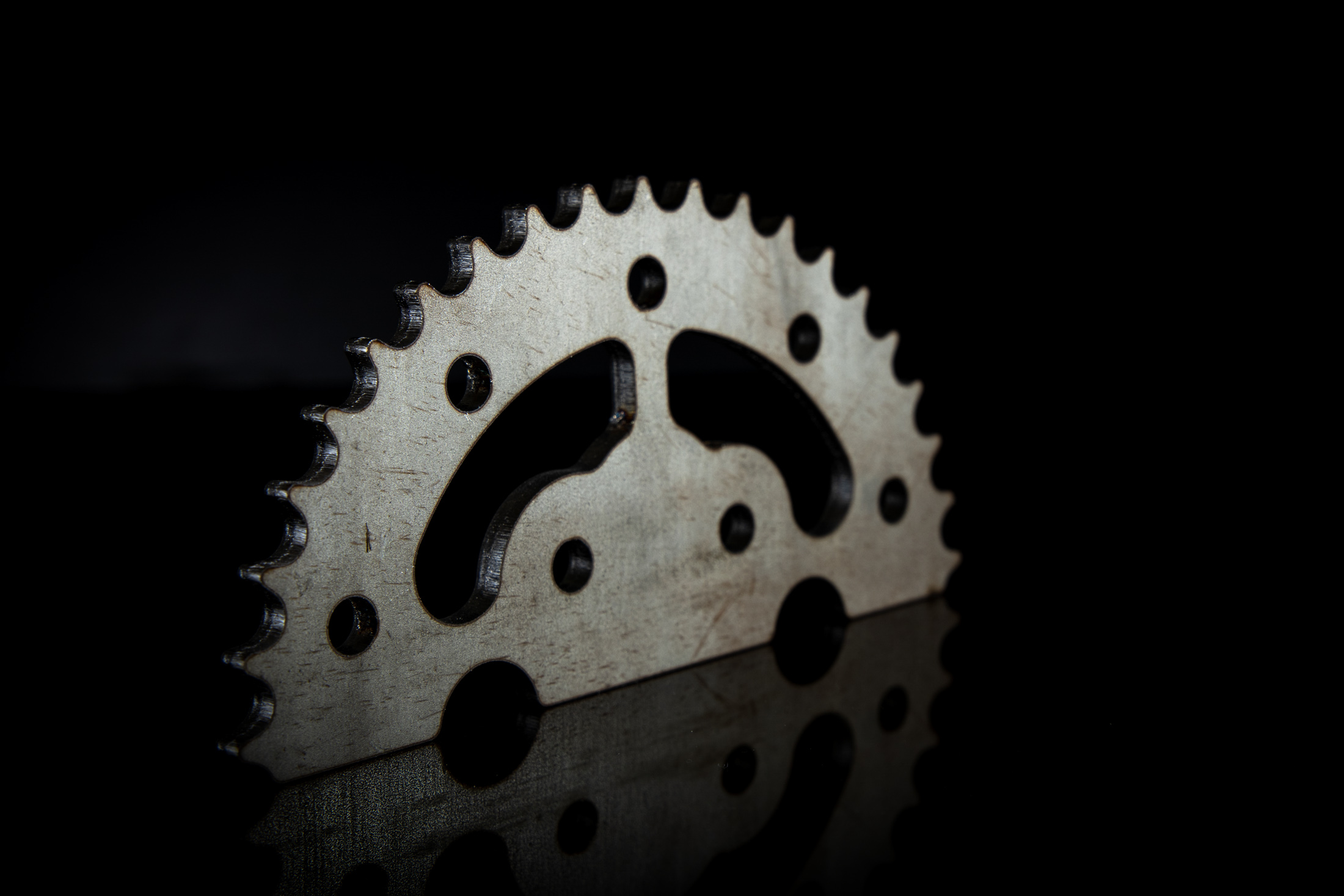
Heavy carpentry includes the work obtained through a complex structuring of metal. Components are machined in assembly to support the construction of civil or industrial buildings of considerable weight.
Metal carpentry is closely tied to the architectural, building, mechanical and naval sectors: for example steel roofs, indoor and outdoor stairs, heavy gates, sheets for ships and boats.
Cutlite Penta laser systems work in a continuous cycle thanks to a man-to-machine system that offers high production speed, professional control of execution and perfect compliance of supplies with project standards.
Laser cutting in light carpentry
In light carpentry, construction work is done with thin steel and aluminium sheets. These components, easy to handle and ductile, lend themselves widely to laser cutting.
With laser technology you can make many types of work for residential buildings — gates, railings, panels, doors — as well as products that are essential in industry, such as fencing, enclosures and roofs.
Which materials can be worked in carpentry with the laser?
Cutlite Penta laser cutting systems are specific for carpentry work on the different materials and types of sheet metal in the building and construction sector.
Laser cutting of aluminium in carpentry
Aluminium makes it possible to laser process supports that resist oxidation: a feature that makes it suitable for many jobs. It is a material that has won the market thanks to its great adaptability.
In light carpentry, thin aluminium sheets are used for work intended for residential buildings, but also for industrial products such as company gates, fencing, shed roofs and coverings. Laser cutting is decisive for all these aluminium jobs.
Cutting steel with the laser in carpentry
The use of steel — and stainless steel — in manufacturing is constantly growing, with a real boom in outdoor building and, above all, in furnishing.
Together with the automotive sector, components and heavy industry, steel is the main material for top-quality laser work. Laser cutting of steel and stainless steel sheet for the most varied sectors is now the norm.
Every kind of metal sheet is perfect for laser cutting.
What are the advantages of laser cutting in carpentry?
Today, carpenters know how to exploit the convenience and practicality of the laser to cut smooth, embossed, chequered, pickled or galvanized sheets. In particular, the advantages are:
- Absolute precision in the cut dimension.
- Maximum effectiveness in drilling the sheet.
- High production capacity of the laser machines.
- Quality and cost-effectiveness of the final product.
- Reduced production times.
Cutlite Penta solutions for laser cutting in carpentry
Cutlite Penta offers high-technology solutions for carpentry. The metal cutting machines, with power up to 20 kW, ensure very high processing quality.
The pursuit of high-performance laser technology has led to machines for every production need: from large-format carpentry cutting to more space-contained work, up to 5 axes.
The Cutlite Penta laser at work on metal carpentry.
Why do Cutlite Penta laser systems suit carpentry?
Laser cutting of components and structures for carpentry requires low maintenance and contained running costs. The saving in production is visible from this first, mainly economic, advantage.
The technology of Cutlite Penta cutting heads — designed and developed entirely in-house — ensures precise finishes on the first pass and with no burrs. With the cutting head of the PLUS, for instance, you reach high performance on stainless steel, aluminium or ferrous supports.
Speed up production and finishing times thanks to the table with automatic pallet change and the operational ease of the front-end software, without losing quality and precision. Discover all the Cutlite Penta laser machines suited to carpentry cutting.
Frequently asked questions about laser cutting in carpentry
Which materials can be laser cut in carpentry?
Iron, stainless steel, aluminium and copper, but also plexiglass and plastics. In practice, every kind of metal sheet — smooth, pickled or galvanized — is suitable for laser cutting.
What is the difference between light and heavy carpentry?
Light carpentry uses thin steel and aluminium sheets for gates, railings, panels and fencing; heavy carpentry works complex metal structures for civil and industrial buildings of considerable weight.
What power do Cutlite Penta lasers for carpentry reach?
Cutlite Penta metal cutting machines reach up to 20 kW, with solutions from large formats to 5-axis work.
What advantages does laser cutting offer over traditional systems?
Absolute precision, effective sheet drilling, high production capacity, quality and cost-effectiveness of the final product, and reduced production times.
Bring laser cutting into your carpentry
Tell us about your work: we will help you identify the laser system best suited to your carpentry materials, formats and volumes.
