


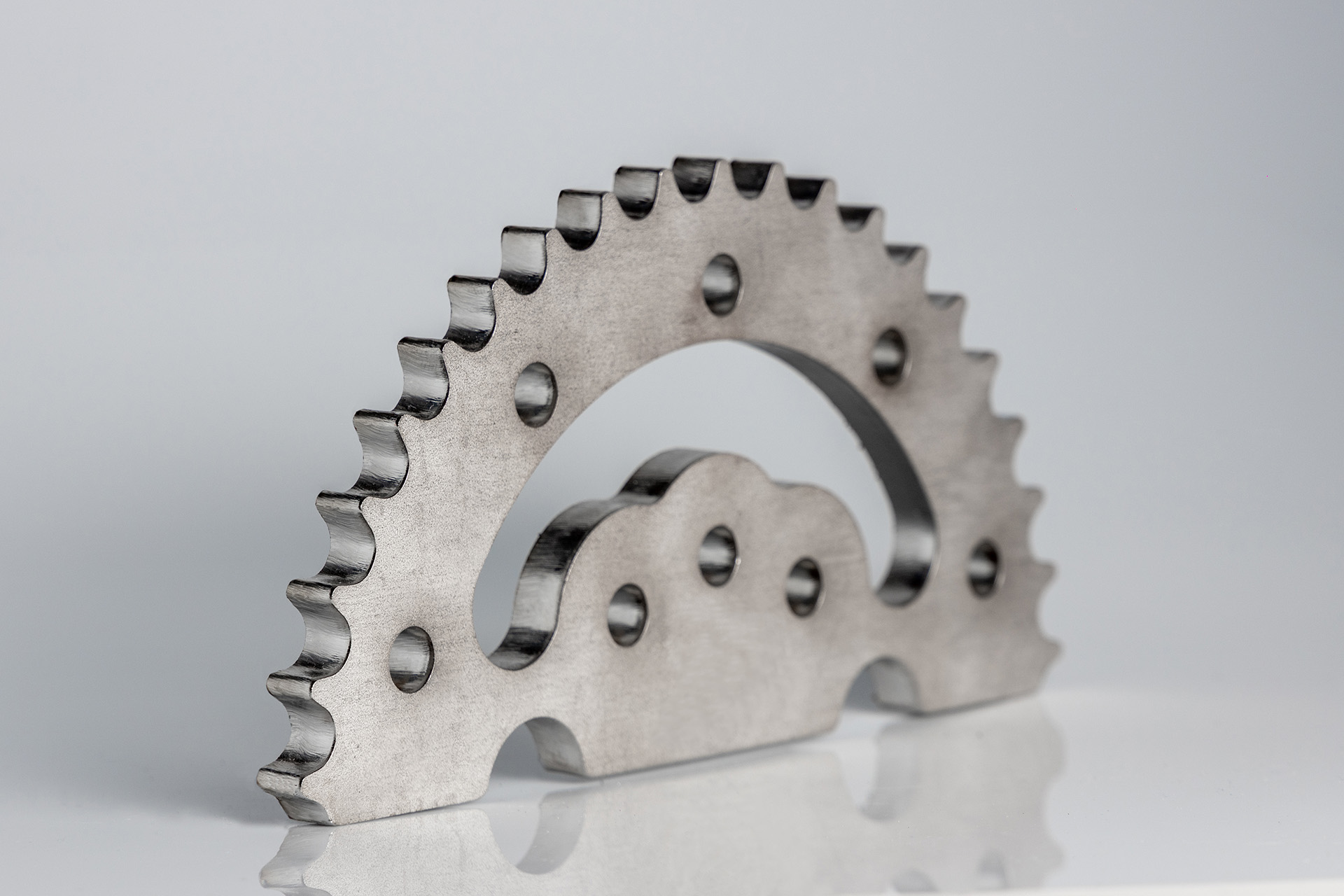
Laser metal cutting: what is the maximum thickness?
The maximum thickness of laser cutting on metal is not a fixed value: it depends on power, material and system. With high-power fiber laser you reach up to 50 mm.
One of the most frequent questions about laser systems is the maximum thickness that laser cutting can reach on metal. Laser sheet metal cutting is a high-tech solution for many needs in the sector: it optimizes production by cutting times, costs and consumption, in line with industry 4.0. It is used from mechanical industry to metalwork, from automotive to home appliances. But what is the maximum thickness limit, and what power is needed to cut metal?
What power does a laser need to cut metals?
Power is a key parameter when buying a metal cutting machine. The power level affects the energy of the cutting head and determines both the quality of machining and the time it takes. High-power systems therefore allow better quality and lower production times. In the sheet metal sector the most common power levels are, in short:
- From about 500 W: for the thinnest thicknesses
- From 3 kW to 20 kW: the most common power levels, based on production needs
- Up to 40 kW and beyond: for sheet metal cutting on high thicknesses too
There are indeed fiber laser sheet metal cutting technologies up to 40 kW and beyond, to work high thicknesses too with high power.
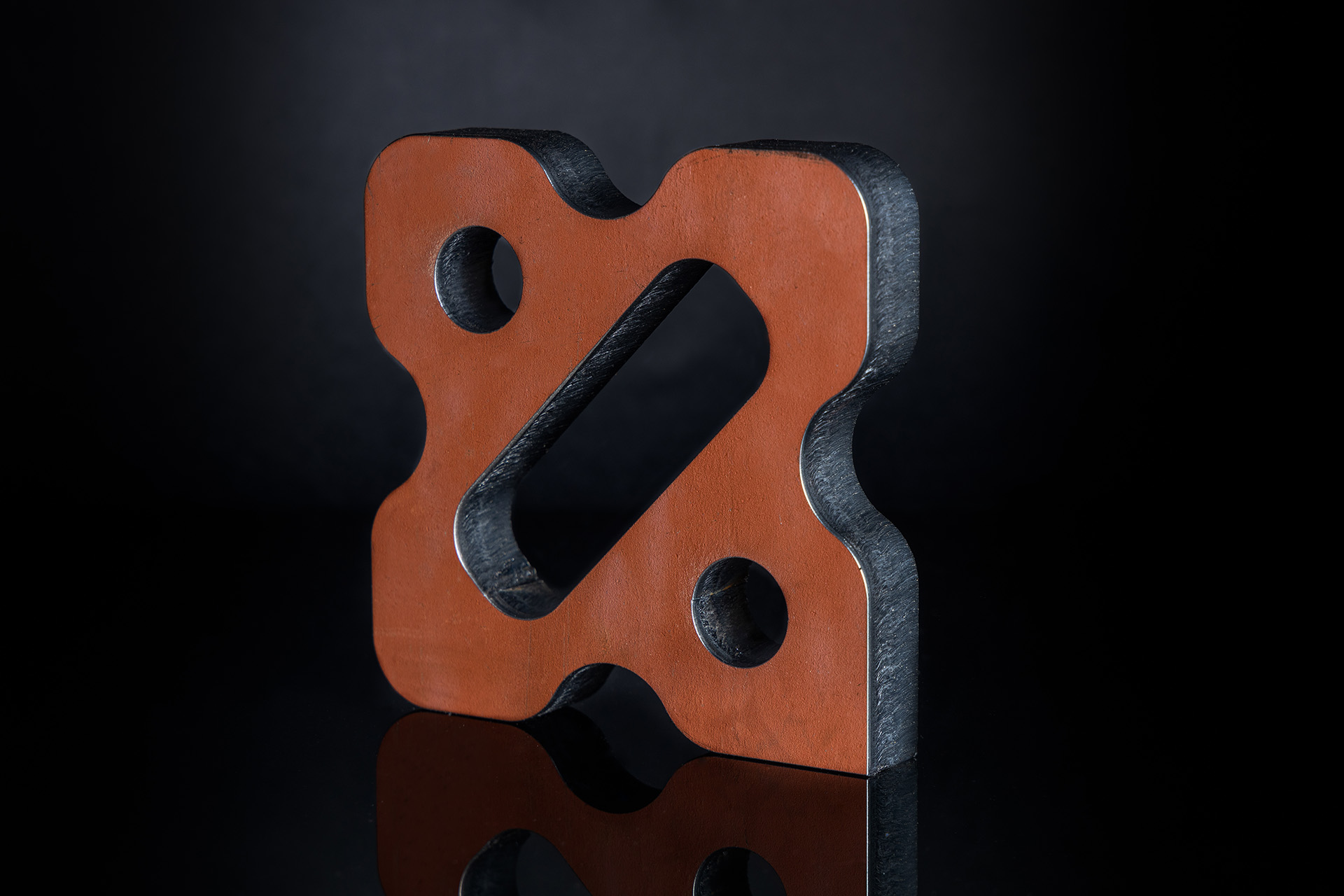
What is the maximum thickness of laser cutting?
There is no single value: the maximum thickness depends above all on the machine's power, the type of material and the cutting system. The higher the power, the greater the workable thickness. With high-power fiber laser systems you can cut sheet metal on high thicknesses too, up to 50 mm, keeping cut quality and precision. To find the maximum thickness right for your company, you always start from the materials and thicknesses you need to work, and choose the power accordingly.
CO2 or fiber laser: which is better by thickness
When talking about laser metal cutting you have to distinguish between the available system types: CO2 laser and fiber laser. Choosing the right system is key to the best return for your company. Fiber laser cutting is a more recent technology and offers several advantages:
- Better speed and cut-quality performance
- Reduced energy consumption
- Lower maintenance costs
- Ideal on steel, stainless steel and reflective metals such as aluminum, copper and brass
Fiber laser has evolved to cover, with high power, the thicknesses once the domain of CO2 laser too. The final choice always depends on your company's materials, thicknesses and production volumes.
High-thickness fiber laser cutting: now a reality
With 30 kW fiber laser systems, the technology has greatly extended its applications. But to cut thick sheet with high quality, power alone is not enough: you need a system that ensures the right process control. Cutlite Penta systems feature the Evo 4 cutting head, able to support laser cutting on metal at 30 kW. The result is clean cuts on high thicknesses too, up to 50 mm. Here are some cutting speeds achievable with this technology, by thickness:
- 15 mm stainless steel: 7.5 m/min
- 20 mm stainless steel: 6 m/min
- 20 mm Hardox: 5 m/min
- 50 mm stainless steel: 160 mm/min
- 50 mm carbon steel: 800 mm/min
What advantages does Cutlite Penta high-thickness laser cutting offer?
The machining quality of Cutlite Penta systems, combined with high power on high thicknesses, comes from technology developed in-house. The Evo 4 cutting head is designed in-house and delivers high performance. Among the other advantages of Cutlite fiber laser systems:
- High power and speed performance
- High cut quality
- Linear motors on every system
- High precision in every application
- Reduced energy consumption
- Customized configurations
- Made in Italy technology and components
- Dedicated support
Frequently asked questions
What is the maximum thickness of laser cutting on metal?
It is not a fixed value: it depends on power, material and system. With high-power fiber laser (at 30 kW, with the Evo 4 cutting head) you cut sheet metal on high thicknesses too, up to 50 mm.
What power is needed to cut metals with a laser?
You start from about 500 W for the thinnest thicknesses; the most common levels range from 3 kW to 20 kW, up to 40 kW and beyond for high thicknesses.
How fast does high-power fiber laser cut?
It depends on material and thickness: for example about 7.5 m/min on 15 mm stainless steel, 5 m/min on 20 mm Hardox, up to 160 mm/min on 50 mm stainless steel (indicative values).
What does the maximum workable thickness depend on?
On three main factors: the machine's power, the type of material and the cutting system, including the cutting head.
Find the right power for your thicknesses
High-power fiber laser cutting systems, on high thicknesses up to 50 mm too. Tell us which materials and thicknesses you need to cut and we'll find the right solution for you.
