


Fiber laser or CO2 laser: which is right for your company?
Fiber or CO2 laser? On company costs, fiber laser is now the more cost-effective choice: lower consumption and maintenance, and more precise and faster.
How worthwhile is it to replace a CO2 laser cutting machine with a fiber laser system? On performance, fiber laser offers higher cutting quality, power and speed. It also uses a much shorter wavelength than CO2 laser, with greater precision and a higher absorption rate: that is why fiber laser cutting has been especially successful on steel, stainless steel and reflective metals such as aluminum, copper and brass. But what is the difference between fiber and CO2 laser in terms of company costs?
Fiber vs CO2 laser costs: how they affect your company's economics
When buying or replacing a laser machine for your business, it is important to consider the investment not just in terms of purchase price. Operating and maintenance costs affect a company's economics far more significantly, over the machine's whole lifespan. How do these costs change depending on the cutting technology used? Here are the most important considerations in the choice.
Laser machine productivity in the same time
The productivity of a laser cutting machine is a key factor in determining its operating cost. In particular, the number of parts produced per unit of time affects the cost per part. The higher power density of the fiber laser beam compared to CO2 laser increases production speed: in the same unit of time you can produce more parts with fiber laser cutting than with CO2, keeping machining quality even in large runs, because fiber laser maintains beam alignment and size.
Electricity consumption and labor costs
Energy consumption costs are today a decisive factor when choosing a machine. In a fiber laser cutting system, electricity consumption at the same power is lower than with a CO2 laser machine. Fiber laser machines consume less energy than CO2 lasers for two main reasons:
- Fiber lasers are more energy-efficient: they turn a greater share of energy into laser useful for cutting, rather than dispersing it as heat
- Fiber lasers need less electrical power to produce the same level of laser energy than CO2 lasers
Also, unlike CO2 lasers, fiber laser cutting machines require no warm-up time to reach full cutting potential. This cuts downtime in production and optimizes the use of dedicated labor.
Maintenance costs and machine downtime
The fixed and variable costs of a laser machine, over the long term too, include maintenance and repairs. With fiber laser systems there are no maintenance costs tied to the internal optics that, in CO2 laser, must be replaced often to keep efficiency high. In a CO2 machine the optics are numerous and can be expensive. To this you add the maintenance of the vacuum pump, needed in CO2 machines. The saving thus extends to eliminating the downtime that those interventions would have required.
Fiber laser value: the Cutlite Penta advantages
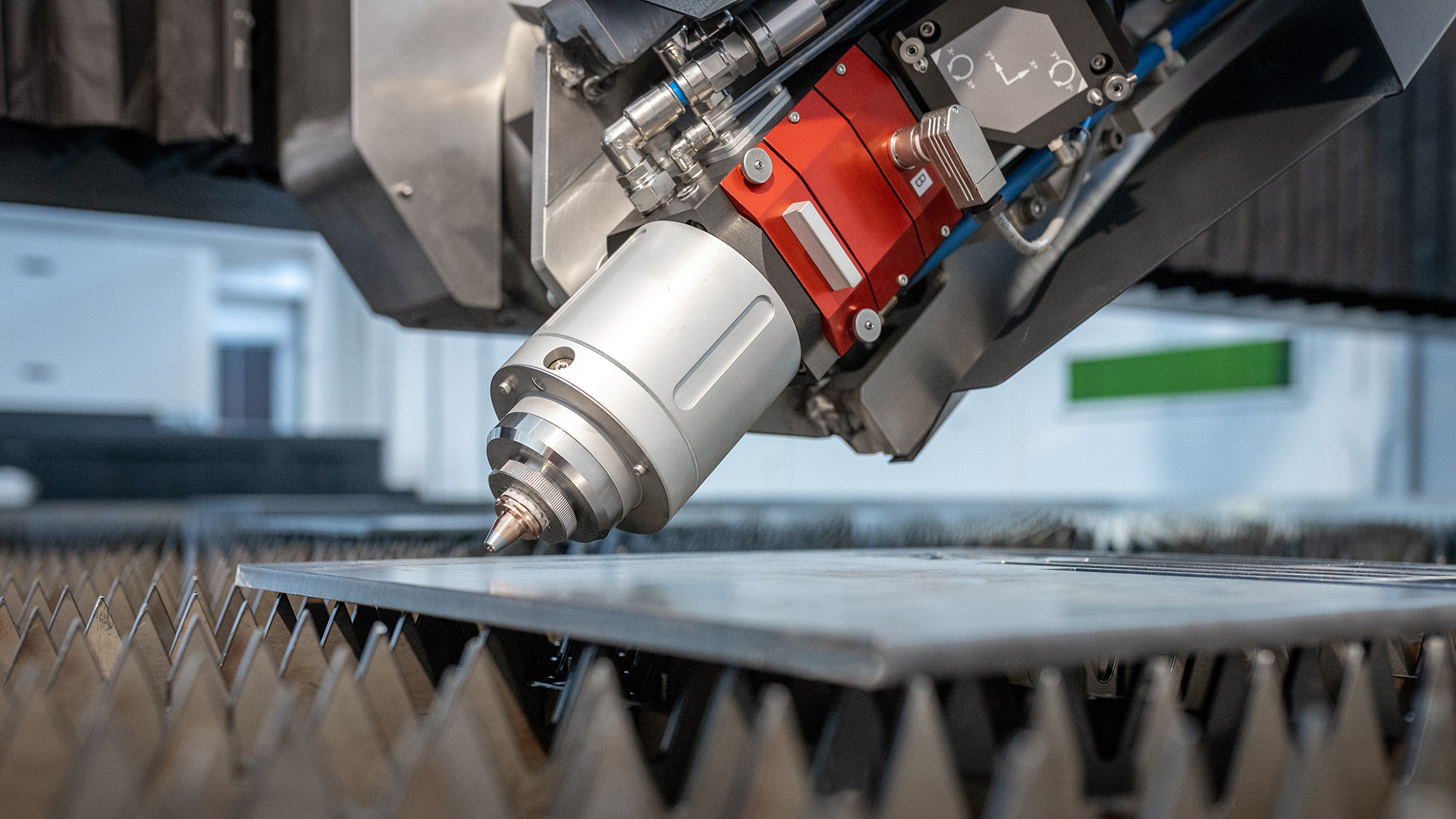
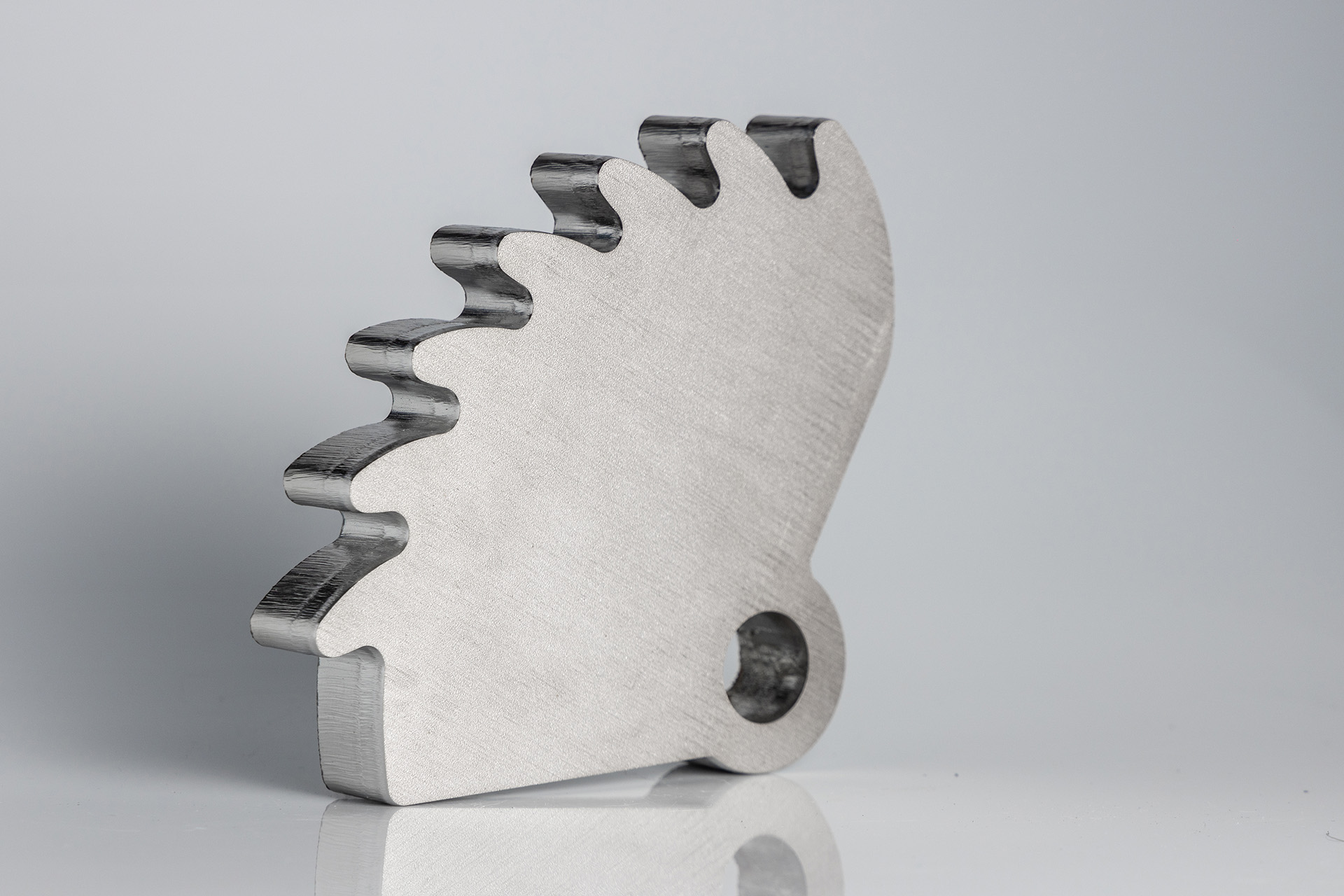
For sheet metal cutting, fiber laser technology is now more cost-effective than CO2 laser. Fiber laser applications were once limited to thinner sheets, while high thicknesses remained the domain of CO2 laser. Today Cutlite Penta technology, with power up to 30 kW and the in-house developed Evo 4 cutting head, enables laser cutting on sheets of 20-50 mm thickness too. Cutlite Penta machines also stand out for:
- High power performance
- Cutting quality on high thicknesses too, with perpendicular cut
- Made in Italy technology
- Ability to work large formats too
- Dedicated support
- Customized configurations
Frequently asked questions
Fiber or CO2 laser: which is better?
On company costs, fiber laser is the better choice today: lower consumption, less maintenance (no internal optics to replace, no vacuum pump) and more precise and faster. With high power it cuts high thicknesses too, up to 50 mm.
Does fiber laser consume less than CO2 laser?
Yes. Fiber laser is more energy-efficient and needs less electrical power for the same laser energy. It also requires no warm-up time, so less downtime in production.
What thicknesses does fiber laser cut?
With high-power systems up to 30 kW, fiber laser cuts sheets of 20-50 mm thickness, once the domain of CO2 laser.
Why does fiber laser need less maintenance than CO2?
Because it does not have the CO2 laser's internal optics, which are expensive and replaced often, nor the vacuum pump: fewer interventions, less downtime and lower costs over time.
Discover the fiber laser tailored to your company
Fiber laser cutting systems configured for your machining, high power too. Tell us what you need to cut and we'll find the right solution.
