


Metal laser cutting machines: how they work and which to choose
How metal laser cutting machines work (2D, 3D and tubes) and how to choose between fiber and CO2 laser.
Metal laser cutting machines have changed the production dynamics of many industries. The efficiency of laser cutting systems for sheets and tubes helps increase productivity, reduce costs and delivery times, and improve machining quality. Let's see how.
How does a metal laser cutting machine work?
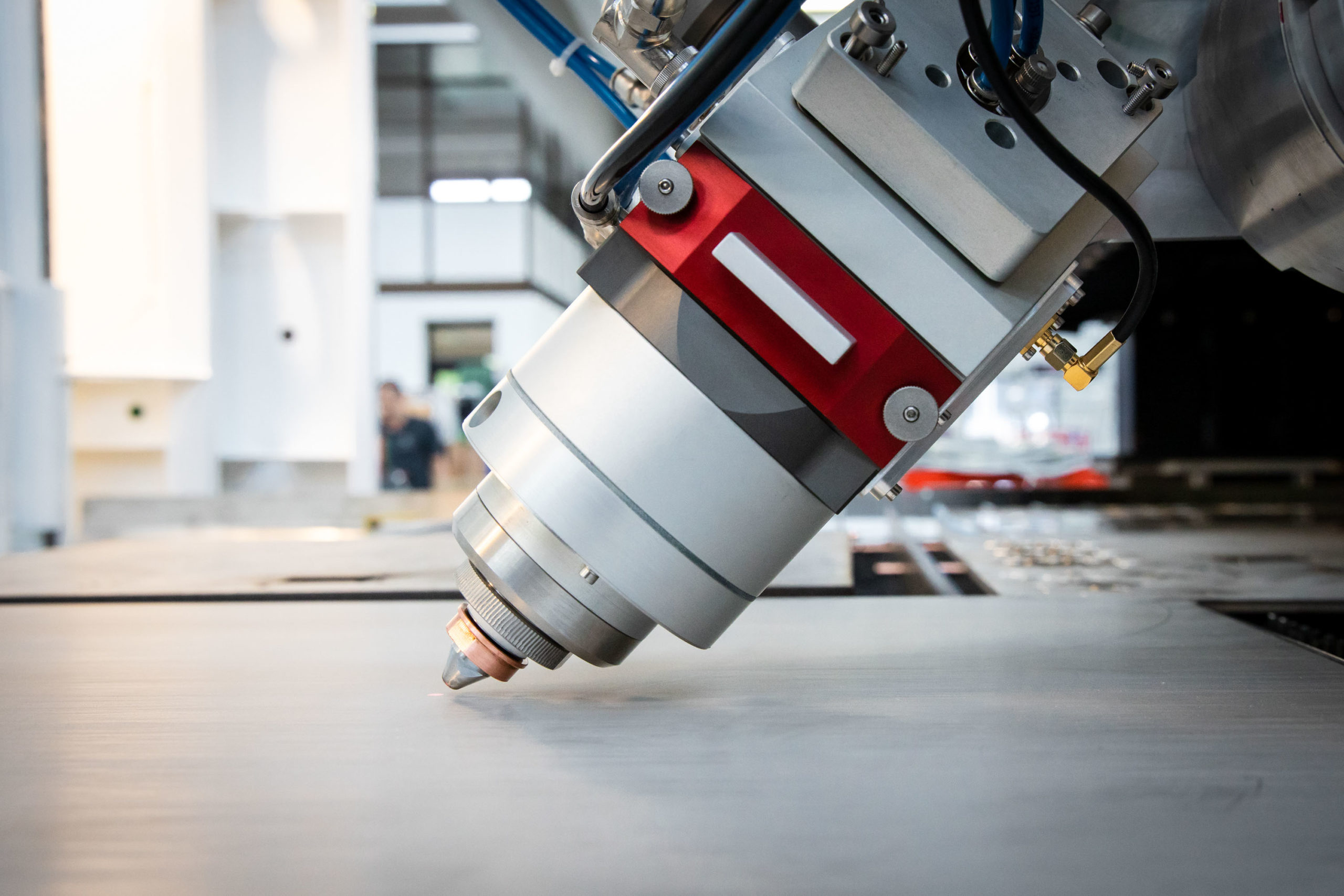
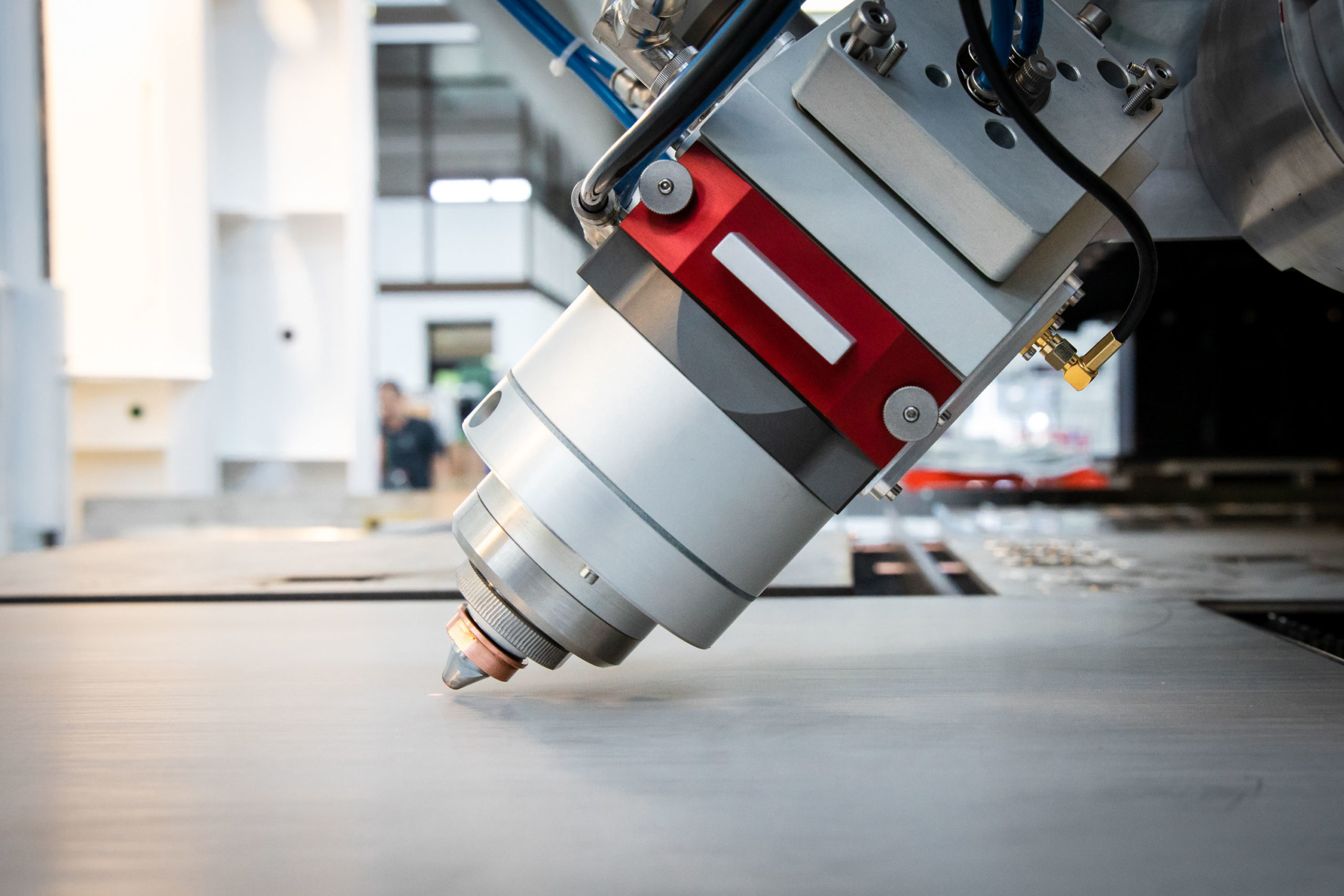
Metal laser cutting machines can work on their own or within complex production lines, for example combined with loading and unloading systems or other machines, integrating into the production chain. Each system includes a cutting head mounted on a robotic arm or an axis system. The numerical control sets the machining, which takes place inside a shielded structure. The work table and the clamps vary depending on the part.
Metal laser cutting in 2D
2D laser cutting machines work flat sheets on the x and y axes, plus z for moving the head. They are often used together with other systems and include automatic loading and unloading.
3D metal laser machining
3D laser cutting systems work sheets already formed by stamping, bending and deep drawing. They are 5-axis or robot-based machines, designed for three-dimensional structures, and can also perform 2D machining.
Tube laser cutting
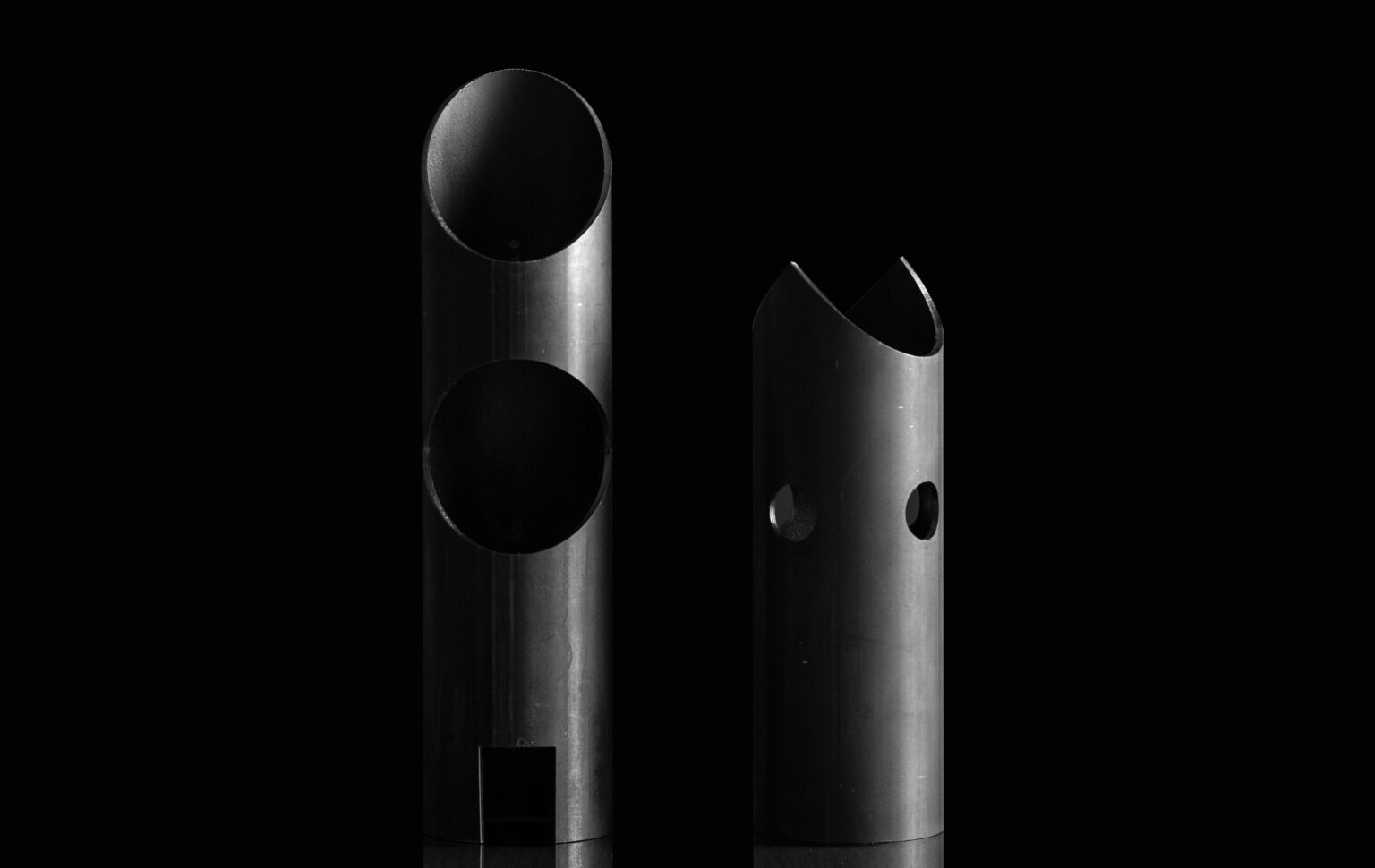
Tube laser cutting machines work metal tubes up to 10 mm thick, with suitable modulation of the beam. The tube is placed on a chuck and can be cut and machined with drilling and profiles in a single step, reducing production times.
Machines also differ by source:
- CO2 laser: 10 µm wavelength, based on a gas mixture (carbon dioxide, nitrogen, hydrogen and helium) excited electrically.
- Fiber laser: 1 µm wavelength, powered by diodes and carried through an optical fiber.
What advantages does laser cutting bring to productivity?
There are many reasons to prefer laser cutting over traditional processes, both economically and in terms of quality. In particular:
- Versatility: custom and complex jobs, quickly
- High precision: clean cuts that often need no finishing
- Production speed: complex cuts in minutes
- Lower consumption: lower production costs
- Safety: the operator works at the numerical control
- Less damage and less scrap: no mechanical contact with the part
Want to know when it really pays off, and whether buying the machine beats subcontracting? We cover it in the article Laser cutting of metals: why it pays off.
CO2 or fiber laser: which pays off more?
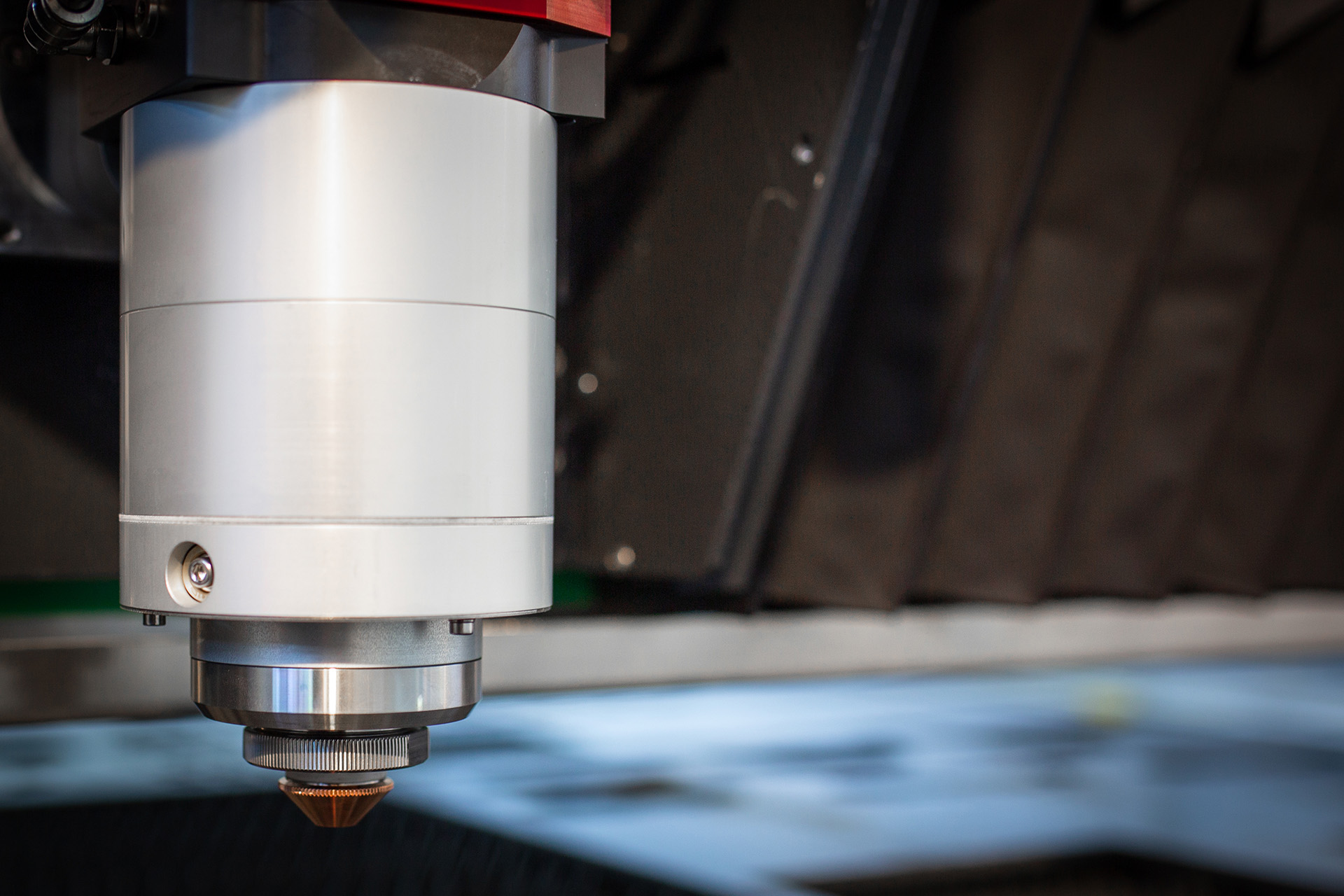
For years, CO2 laser was the only technology available for cutting metals. Today fiber laser offers advantages that make it preferable in most applications. In particular:
Higher performance
At the same power, fiber laser offers higher performance in cutting speed and precision.
Greater efficiency
The efficiency of a fiber laser machine is clearly higher than a CO2 system, thanks to lower energy use.
Drilling even on thick material
Fiber laser concentrates high power in a very small diameter and allows small drilling even on thick material, up to 50 mm.
Lower maintenance
The maintenance costs of a fiber laser machine are clearly lower than other metal working systems.
Cutting reflective metals too
The ten-times-shorter wavelength of fiber laser makes it possible to cut reflective metals such as copper and brass too, not recommended for CO2 laser.
What is the power of fiber laser cutting on metal?
Cutlite Penta was among the first in Italy and Europe to build fiber laser machines for cutting metal up to 30 kW of power. All Cutlite Penta laser machines for sheets and tubes are designed and built in-house, also in custom configurations, with an efficient, compact linear-motor technology and solid performance in power, speed and precision.
Frequently asked questions
How does a metal laser cutting machine work?
A cutting head, mounted on a robotic arm or an axis system, cuts the metal guided by the numerical control, inside a shielded structure. It can work on its own or within a production line.
What are the advantages of laser cutting on metals?
Versatility, high precision, high speed, lower consumption, more operator safety and less risk of damage to the material.
CO2 or fiber laser, which is better?
On metal, fiber laser offers higher performance and efficiency at the same power, lower maintenance and the ability to cut copper and brass too.
What thicknesses does fiber laser cut?
With the right power, fiber laser drills and works thick material too, up to 50 mm; on tubes, up to 10 mm thick.
Discover Cutlite Penta machines for cutting metal
Systems for fiber laser cutting of sheets and tubes, also custom-built. Tell us what you need to work and we'll find the right solution for you.
