


All the advantages of laser tube cutting
Laser tube cutting has opened paths never traced before in carpentry and construction.
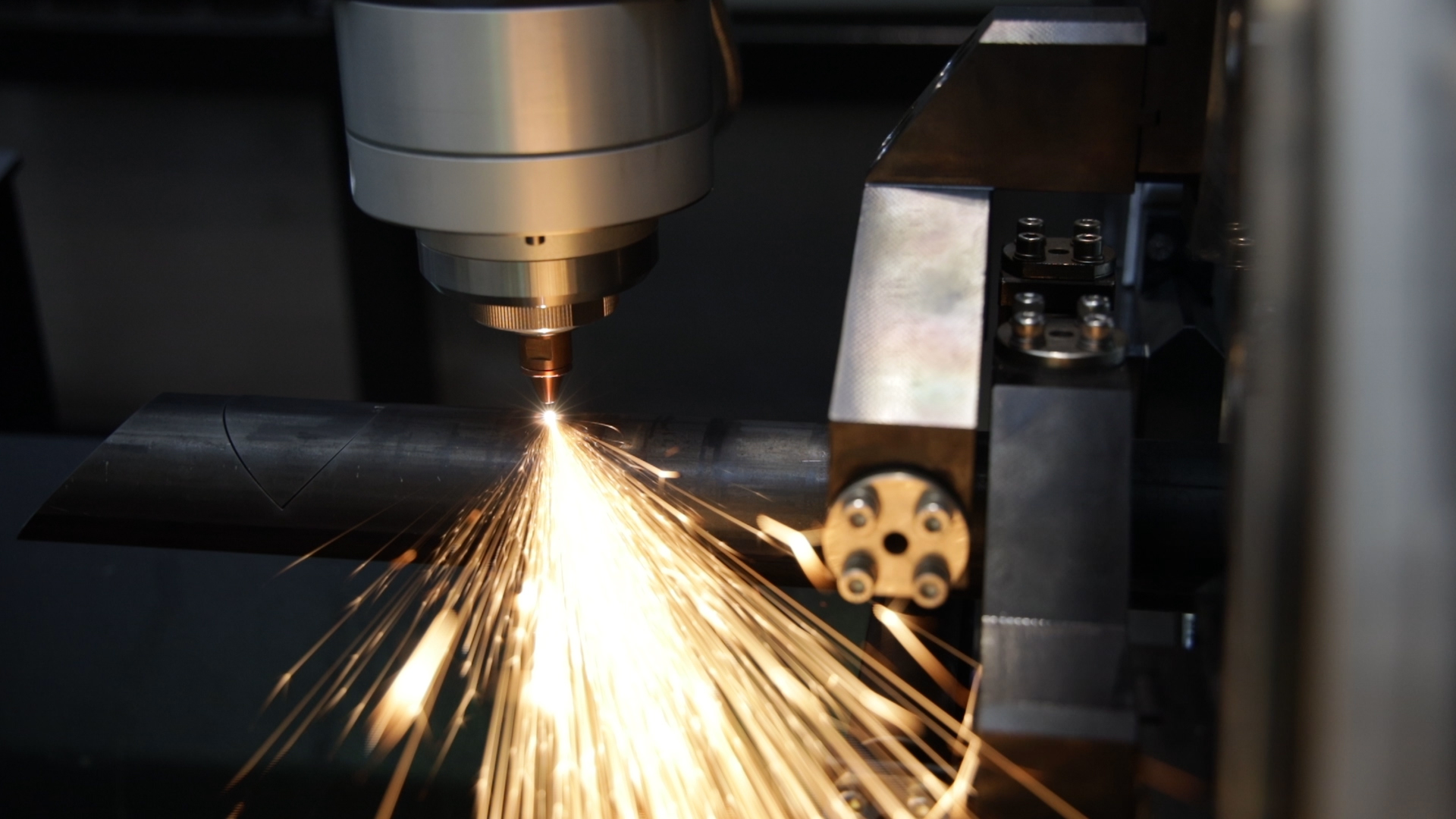
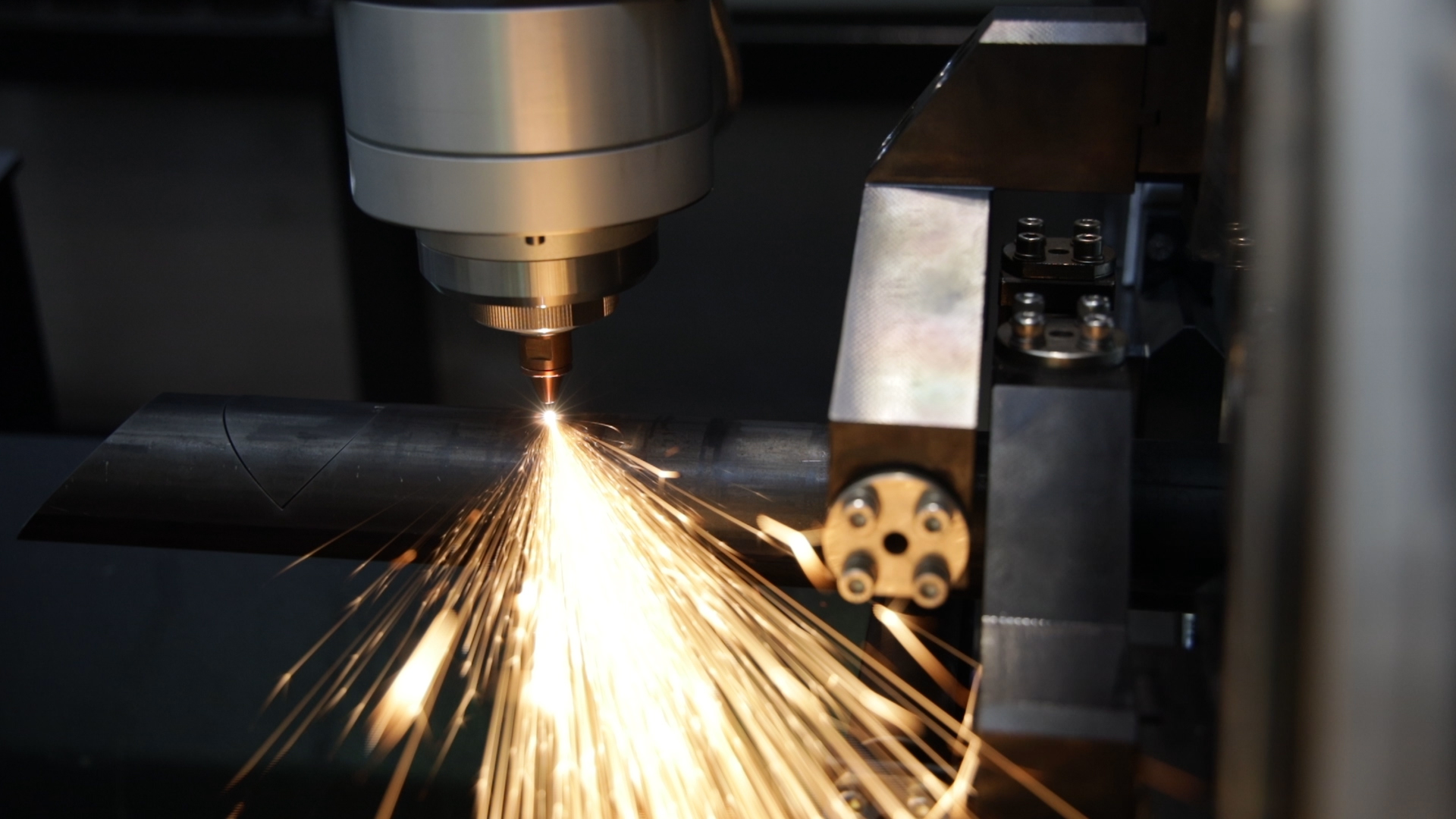
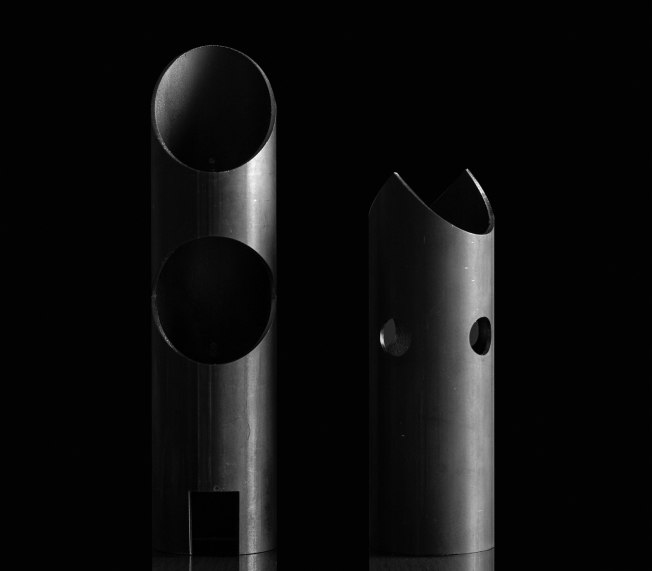
Laser tube cutting allows drilling, slotting, notching and end cuts on metal tubes and profiles, with precision joints unthinkable with traditional processes. With the right laser systems, industry makes new components in a short time and without costly tooling.
Which sectors use metal tube and profile cutting?
Many markets are interested in the development of laser tube cutting. The workings you can perform are numerous — drilling, slotting, notching and end cuts — and they let you build joints with other tubes or sheets. Some fields of use:
- Assembled frames for buses and agricultural machinery
- Furniture and design lighting
- Machine and plant construction
- Construction and commercial vehicles for heavy transport
- Fitness, air-conditioning and energy technology
Where you find medium and large structures made by working tubes, a laser cut is often behind them: no tool is as flexible as the laser cutting system for metal tubes and profiles.
What is the real innovation of laser tube cutting?
One of the most important operations in metal tube cutting is bevel cutting. Thanks to the progress brought by laser tube systems, you can program the adjustment of the cutting angle of an edge.
With machines fitted with a 3D cutting head, bevel cutting on tubes has become simpler in metal carpentry work where full-penetration welds are required.
Another feature concerns metal profiles. Unlike tubes and tubulars — round and square/rectangular in section — profiles have particular geometric shapes, made for specific uses: control cabins for earth-moving machines, lighting systems, door and window frames.
Which formats can be cut for steel tubes?
The distinctive feature of the new laser systems is working not only steel, but also carbon alloys, stainless steel and — thanks to the fiber laser source — aluminium, copper and brass. The workable formats are many:
- Round tubes
- Square or rectangular tubulars
- Oval and elliptical tubes
- Closed or open special profiles
- Joints, positioners and connectors of various types
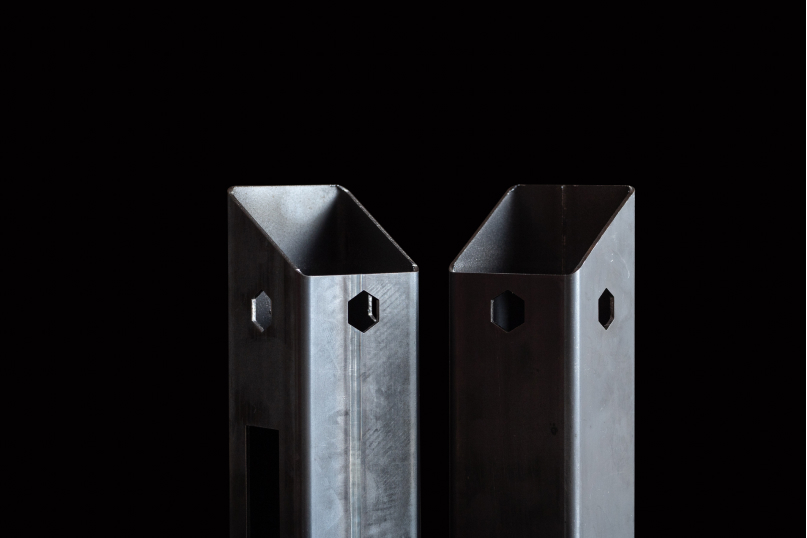
Cutting square and rectangular tubes is made possible by fiber laser working, which lets you handle shapes other than the standard tube even without special tooling.
The process innovation allows complex cutting profiles with high precision, shorter times to make new products and optimization of scrap.
The advantages of laser cutting for metal or steel tubes
The main advantage of laser tube cutting is the great flexibility of use combined with high performance, both in speed and in quality of the finished product. The laser offers a freedom of working hard to match with other tools.
Compared with traditional systems, the laser ensures a better finish, thanks to the beam's reaction on the metal surface and the regularity of the cut. It is the choice of many companies that need high-quality cuts and the ability to make series prototypes easily, quickly and cheaply.
High productivity and a high degree of automation are the key factor for manufacturers and distributors. Cutlite Penta tube-cutting machines also allow long and complex work, such as that required by makers of industrial vehicles and agricultural equipment.
The versatility to work tubes of different section, material and thickness without specific tooling is highly valued in contract work. The machines manage different assist gases: usually oxygen and air for iron, nitrogen for stainless. The CNC manages all cutting operations and the unloading of finished parts.
Not just speed: versatility and automation make the difference on the market.
Cutting steel tubes with the laser: fiber or CO2?
For tube cutting, fiber laser sources are generally preferred, but the CO2 source remains a valid alternative in specific cases.
The fiber laser source
What drives the use of the fiber laser is the absence of maintenance on the source, high cutting speeds and the ability to cut various metals (copper, brass, aluminium alloys).
Fiber sources have a remarkable focusing capacity: they concentrate the spot on a smaller surface, making the system more stable and the tube cut far more precise.
The CO2 laser source
CO2 laser sources remain a valid alternative for cutting thick tubes (supports over 4-5 mm) or mild steel tubes.
Frequently asked questions about laser tube cutting
What operations can be done on tubes with the laser?
Drilling, slotting, notching, end cuts and bevel cutting to build joints and full-penetration welds, on tubes and profiles of different sections.
Which materials and formats are cut?
Carbon and stainless steel and, with the fiber source, also aluminium, copper and brass. Formats range from round tubes to square and rectangular tubulars, oval and elliptical tubes and special profiles.
Fiber or CO2 laser for tubes, which is better?
The fiber source is generally preferred, with no maintenance on the source, fast and suited to more metals. CO2 remains a valid alternative for thick tubes (over 4-5 mm) or mild steel.
Which assist gases are used for tube cutting?
Usually oxygen and air for iron tubes, nitrogen for stainless steel tubes. The CNC manages the cutting operations and the unloading of finished parts.
Bring Cutlite Penta tube cutting into your production
Tell us the sections, materials and thicknesses of your tubes: we will help you find the most suitable laser system.
