



Why laser cutting is replacing plasma cutting
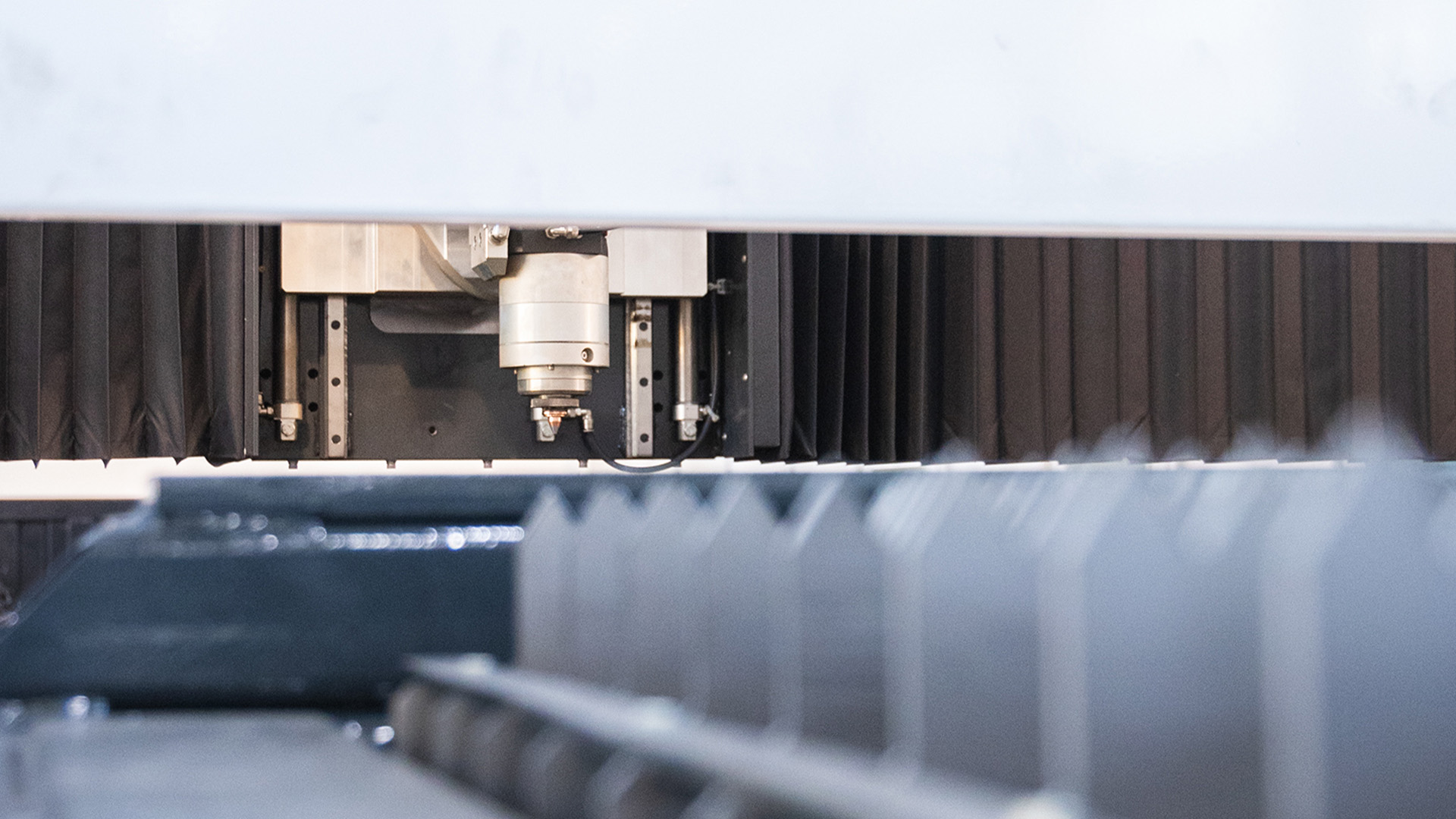
Fiber laser cutting is replacing plasma cutting in the sheet metal sector: it is more precise, faster and, with high power, reaches high thicknesses too.
Laser or plasma cutting? In recent years the fiber laser cutting market in the sheet metal sector has been expanding, in many cases replacing plasma cutting. But which of the two is really more advantageous for a company, and by what parameters do you decide? Here is a comparison of laser and plasma cutting, taking all factors and the evolution of the technology into account.
Laser vs plasma cutting: which parameters to consider
When buying new machinery it is important to consider all the key factors that affect a company's productivity, quality and economics. In comparing two metal cutting systems we therefore need to weigh the advantages and disadvantages of each technology across several aspects. In particular:
- Production speed
- Machining precision
- Cutting power
- Machine cost and consumption
- Production flexibility
- Energy and material consumption
Let's look at the pros and cons of laser and plasma cutting for each of these parameters, and how the two systems have evolved over time.
Plasma metal cutting: origins and how it works
Plasma cutting is a technology developed in the United States in the 1950s as an alternative to flame cutting. It is based on a gas expelled at high speed from a nozzle, within which an electric arc is formed. The gas ionized by the arc becomes plasma and melts the material in the cutting zone. The result is a clean cut line.
Laser metal cutting: origins and how it works
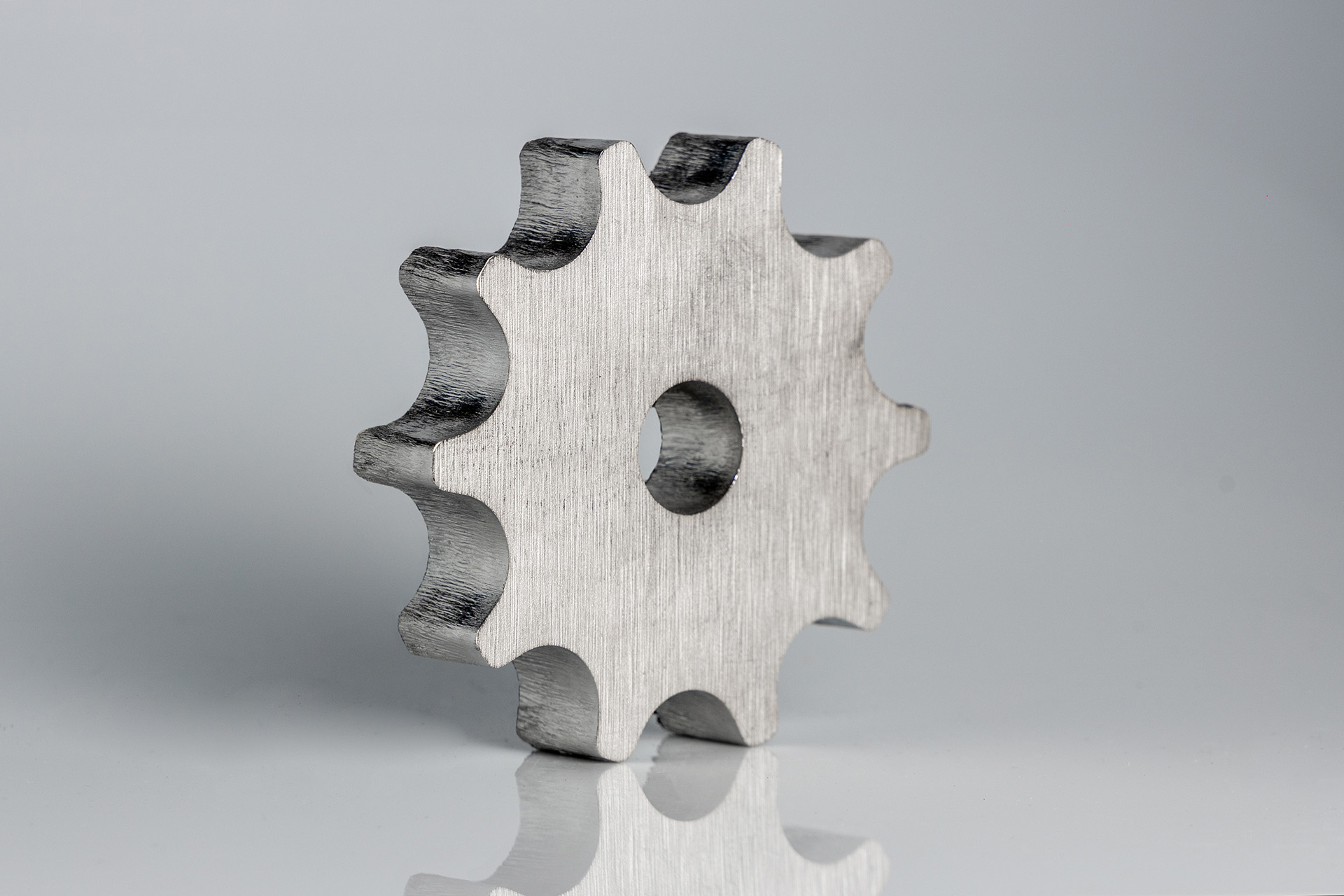
Laser cutting was born in the United States in 1960 to drill high-precision holes in diamonds. In 1963, CO2 laser was created in Great Britain, more efficient and economical, extending its use to metal cutting. In more recent years, fiber-optic laser has enabled even more precise machining, with power and speed performance higher than CO2, on thicknesses up to 50 mm. In fiber lasers the beam is created by transmitting energy from diodes inside high-quality optical-fiber cables: this yields a high-precision cut, ideal for complex machining too.
Fiber laser vs plasma cutting: which is right for your company?
Fiber laser cutting and plasma cutting have for years held different market segments, depending on applications. Initially fiber laser was suited only to low thicknesses, so high thickness remained the domain of plasma. In recent years the evolution of fiber laser has increased its versatility, extending its use to thick sheet metal too. Here are the advantages and disadvantages of the two technologies.
Advantages and disadvantages of plasma cutting
Plasma cutting has an affordable purchase cost and cuts all metals up to about 80 mm thick, provided the material is conductive (needed to create the electric arc). It has some limits, though, such as a cut quality that is not always consistent on thick or complex materials. In addition:
- Slower cutting process
- Not suited to high precision: it leaves a 4-6 degree bevel
- High energy consumption, which reduces its cost-effectiveness
- More scrap due to the kerf (the width of material removed during the cut)
- Cannot make holes or slots
- The part then needs reworking on other machines
- Rougher edge and greater thermal deformation than fiber laser
Advantages and disadvantages of fiber laser cutting
Fiber laser systems have a higher purchase cost than plasma and were initially used only for 5-20 mm thicknesses. The evolution up to 30 kW has enabled its application on thicknesses up to 50 mm, with high performance. In particular:
- Cutting speed on 20-50 mm higher than plasma
- High precision, with clean, sharp edges
- Machining of all types of metal, including reflective ones such as brass and copper
- Reduced electricity consumption, which offsets the investment
- More precision and less thermal deformation than plasma
- Cleaner, more precise edge than plasma
The importance of the cutting head in high-power machining
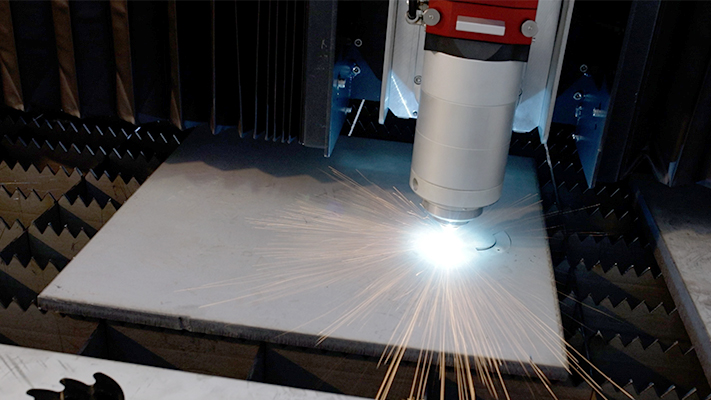
The high power reached by fiber laser systems and the many advantages of the technology explain its increasingly widespread use, replacing plasma too. It is important to note, however, that not all systems up to 30 kW can actually exploit the power on high thicknesses too: a cutting head able to support it is needed, to ensure high precision and flexibility. Cutlite Penta has the Evo 4 cutting head, developed in-house, able to support a machining power up to 30 kW on high thicknesses too. Cutlite Penta fiber laser systems also offer:
- Linear motors on every system
- High machining precision
- High productivity performance
- Ability to work large formats too
- Technology developed in-house, Made in Italy
- Personalized support
Frequently asked questions
Laser or plasma cutting: which is better?
Plasma is cheaper to buy and cuts conductive metals up to about 80 mm, but it is slower, less precise (4-6 degree bevel) and more energy-hungry; fiber laser is more precise and faster and, with high power, cuts high thicknesses too, up to 50 mm.
Why is laser cutting replacing plasma?
Because fiber laser has evolved up to 30 kW, reaching thicknesses once the domain of plasma, with greater precision, cleaner edges and less thermal deformation.
What thicknesses does fiber laser cut?
Up to 50 mm with high-power systems (up to 30 kW). Plasma reaches about 80 mm, but with lower quality and precision.
Why is the cutting head important in high power?
Because not all systems up to 30 kW really exploit the power on high thicknesses: a head able to support it is needed, like the Cutlite Penta Evo 4, developed in-house.
Discover Cutlite Penta fiber laser cutting
Fiber laser cutting systems tailored to your company, high power too. Tell us what you need to cut and we'll find the right solution for you.
