


Forty years between plasma and laser: Olaf Heiseler on why power is not the first criterion
«You never choose a machine on power alone.» It comes from someone with almost forty years of industrial cutting behind him, three books on lasers, and a trade built on installations and acceptance tests.
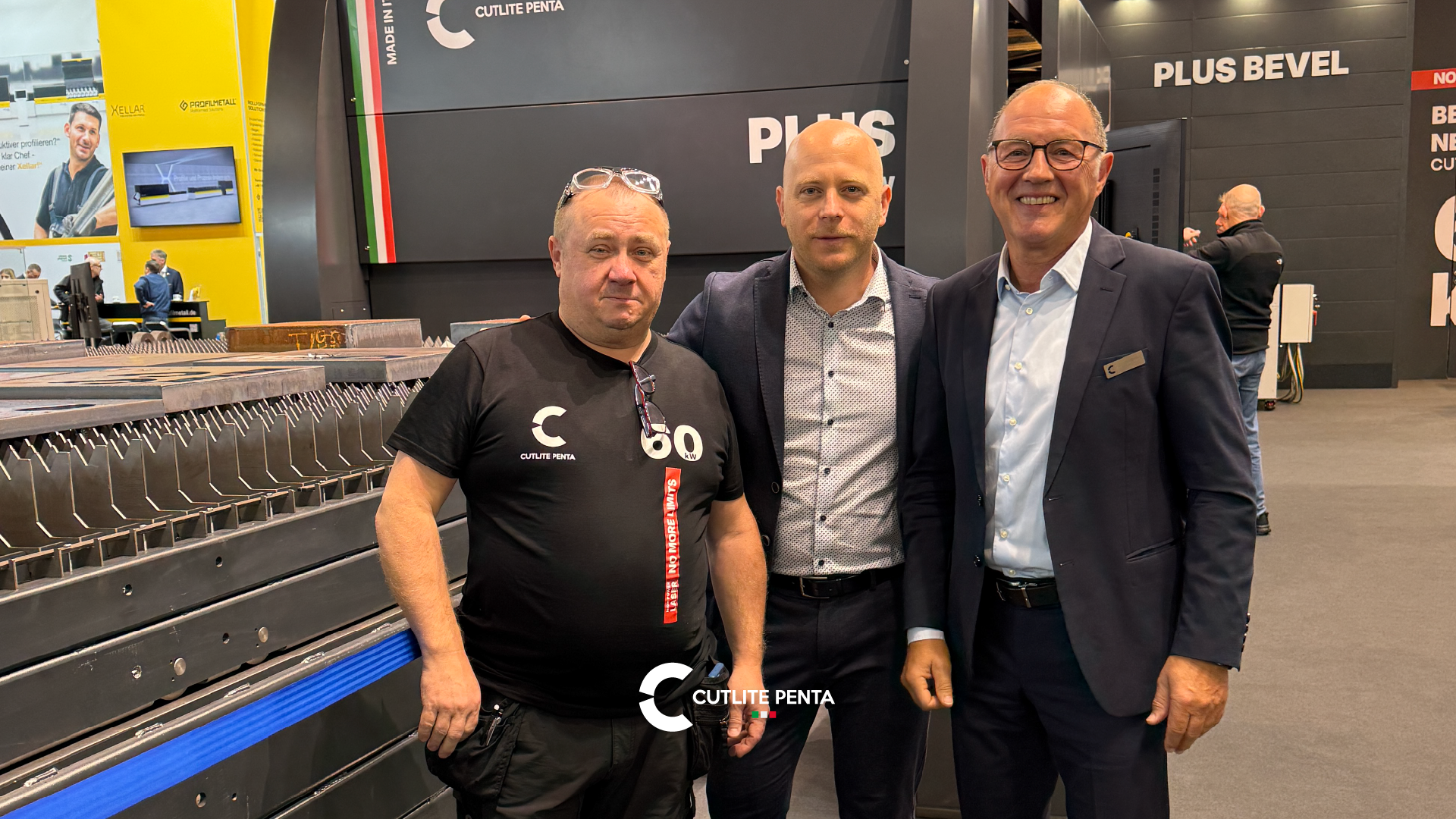
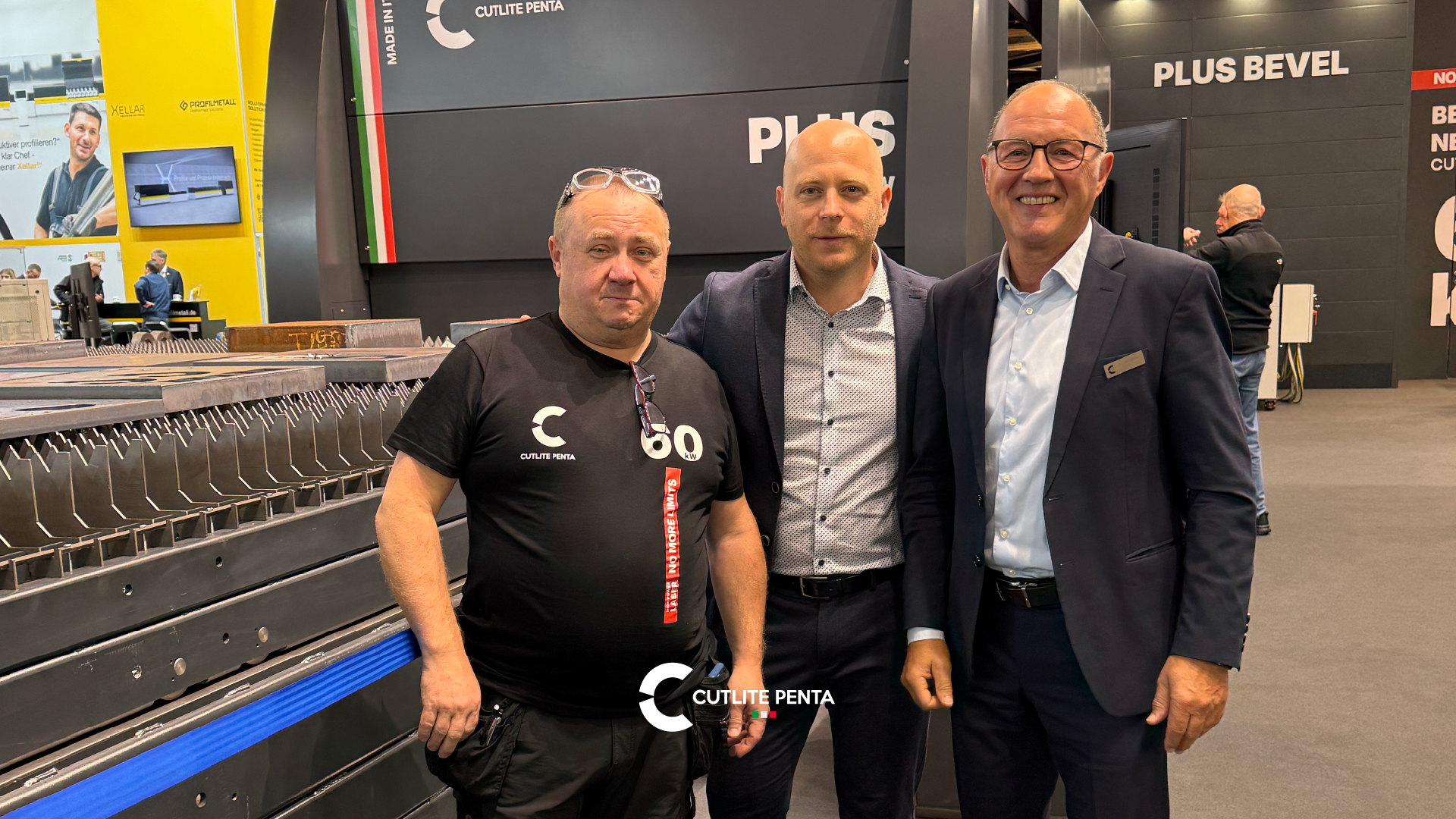
Olaf Heiseler works at Cutlite Deutschland GmbH as a technician, trainer and installer. He spent two weeks training at our plant in Prato and we used the chance to ask him a few things: what plasma still does well, where the laser has passed it, and what a German technician looks at before signing off a machine.
Who Olaf Heiseler is
Olaf Heiseler has almost forty years of experience in industrial cutting and works at Cutlite Deutschland GmbH. He is a technician, trainer and installer, and he has written three books on lasers.
His route ran through production shifts, demo centers, installations in several countries and responsibility for large machine fleets. It is a rare profile: someone who has done both commissioning and training has a perspective you cannot build from datasheets.
The first revolution: from CO2 to fiber
Olaf started on CO2 lasers, specializing in service and maintenance. When the first fiber lasers arrived he understood quickly that they would replace CO2, for two very concrete reasons: the optical path is gone, with its mirrors to align and maintain, and the available power rose at a rate CO2 could not follow.
That was the first technology shift he saw from the inside. The second, he says, is the one under way now: rising power has widened the laser's field of application into thicknesses that did not belong to it before.
What plasma still does well
Olaf is precise on this point, and it is worth reporting in full, because it is usually the part that gets cut. Plasma has qualities that still hold:
- operational simplicity: fewer variables to manage
- the ability to cut very heavy thicknesses
- it remains effective where edge quality and precision are not the priority
That last condition decides everything: if the part will be reworked anyway, or if the tolerance is generous, plasma keeps doing its job at a lower cost. It is not a technology that has disappeared, and it is a mistake to describe it that way: our own customers keep it on the floor next to the laser.
Where the laser has passed it
That said, the comparison has moved a long way. At today's powers, Olaf says, the laser brings things plasma does not:
- higher precision and repeatability on the part
- a cleaner edge quality, with less rework downstream
- complex geometries and small-diameter holes, difficult or impossible with plasma
- a thickness range that widened as power grew
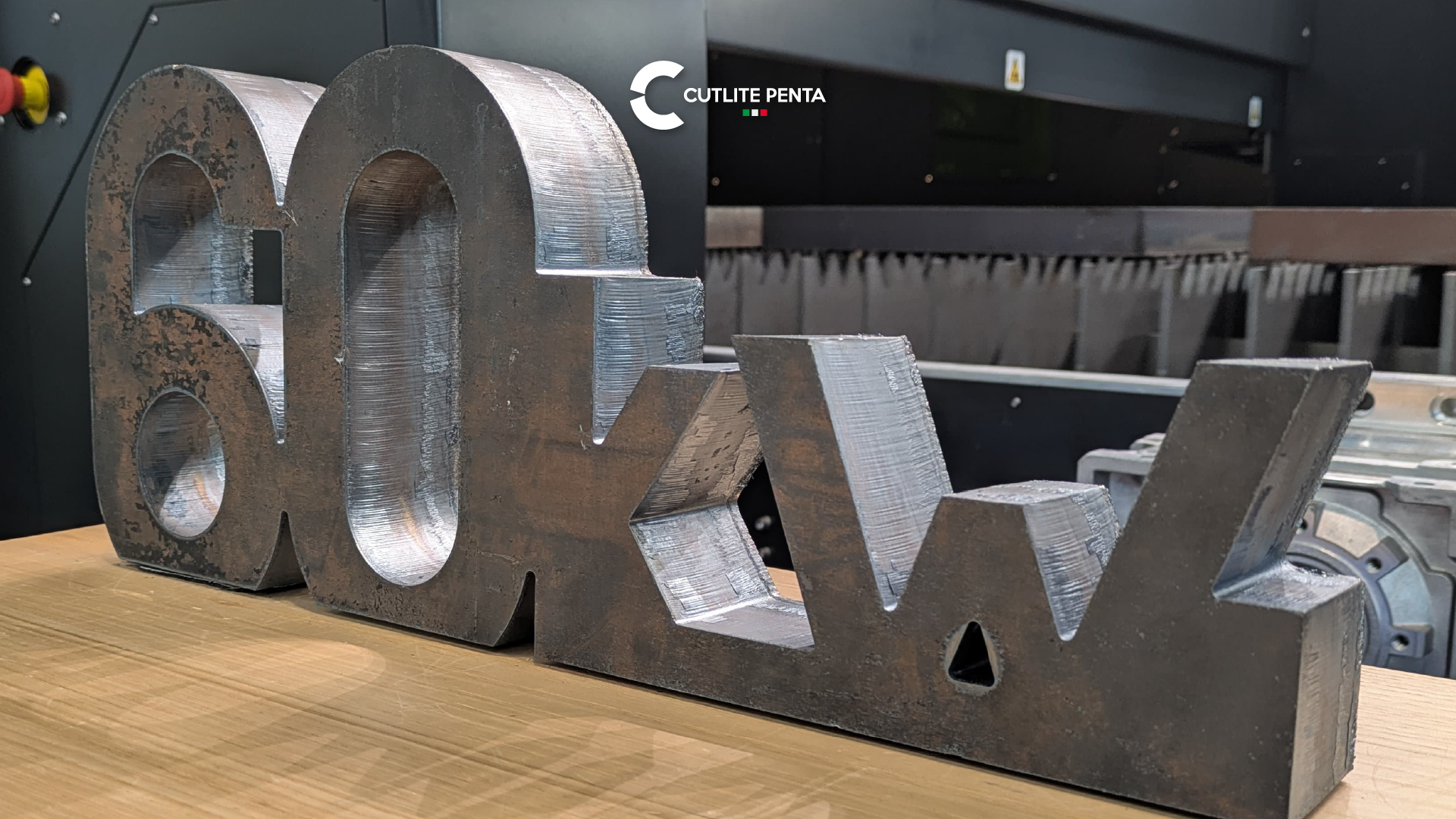
«Today we can laser cut thicknesses that used to be plasma's exclusive territory», Olaf explains. That sentence sums up the moment: on the numbers the gap has closed, on quality the laser was already ahead.
What will happen to plasma, in his view
Olaf's forecast is not disappearance, and it is more interesting for that: plasma will lose ground until it becomes a niche technology for very specific jobs. Meanwhile, on the shop floor, this is what you see:
- fewer plasma machines for flat cutting
- more laser systems covering a wider production range on their own
- more flexibility for manufacturers, because one machine covers more jobs
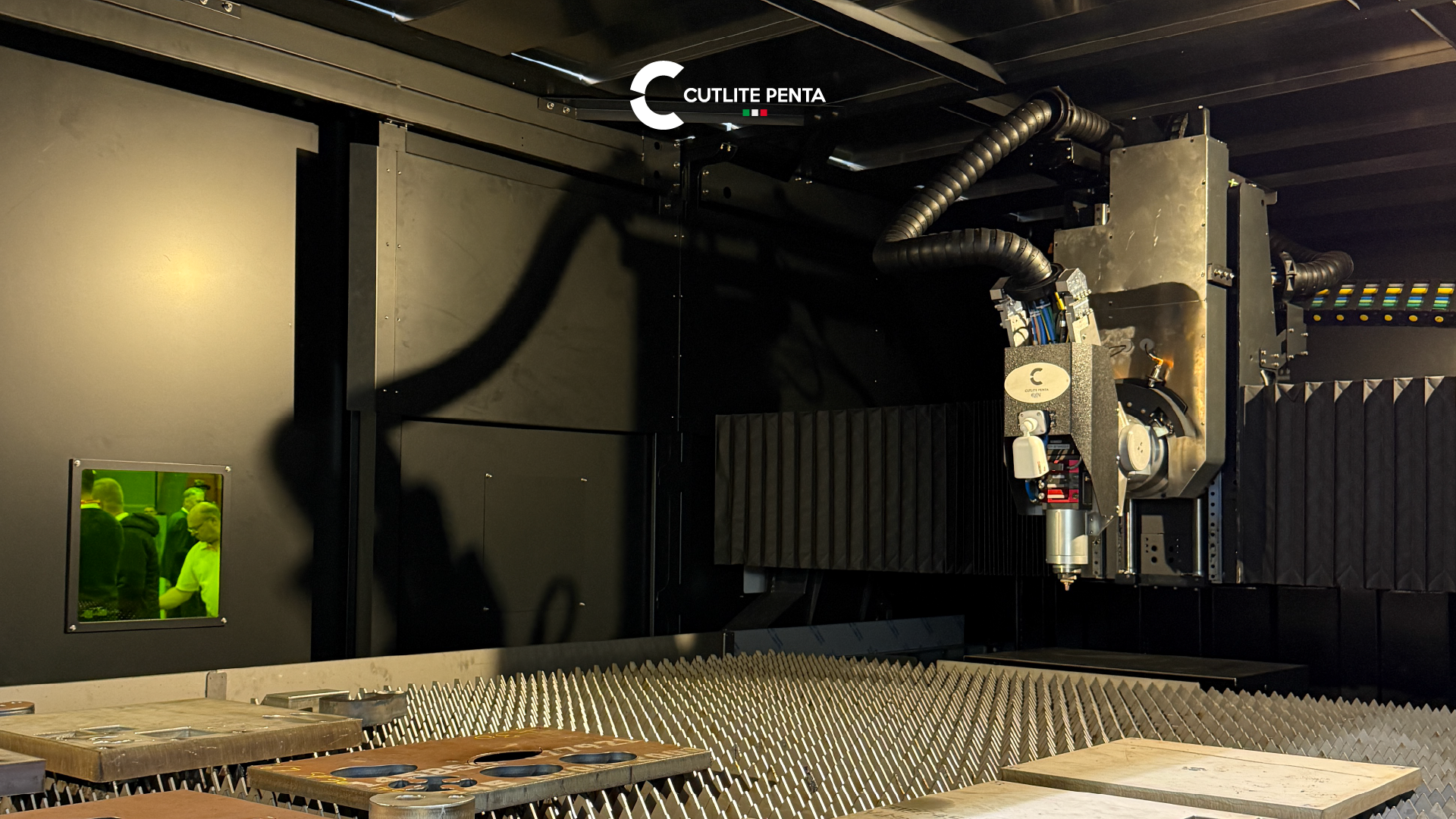
- a process enclosed in a cabin, with the operator outside the working area
Plasma will not disappear overnight, but it will become a niche technology for very specific jobs.
Why he chose Cutlite Penta
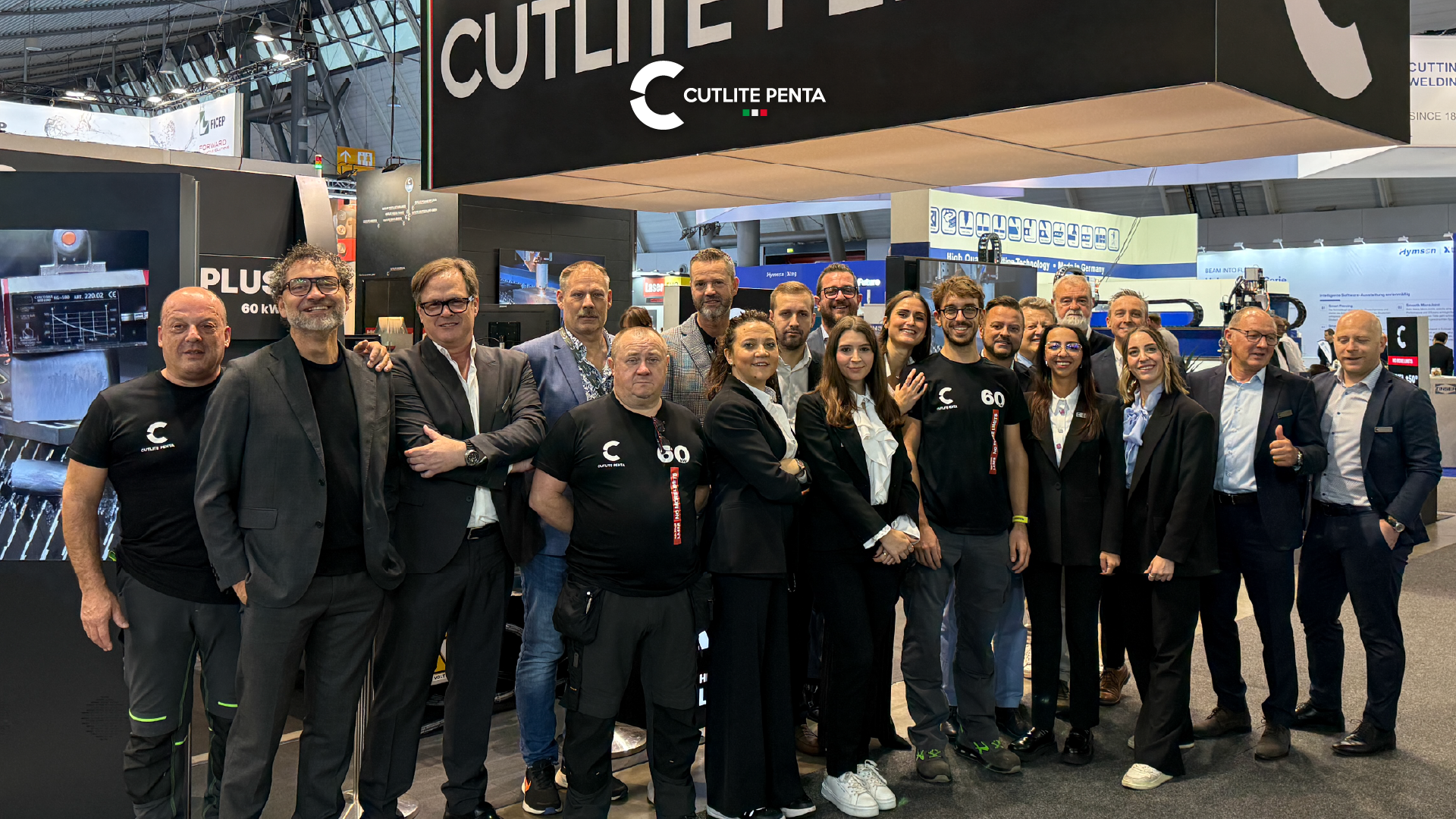
Olaf first met us at a trade fair, and then went to see the machines running at customers' plants, in Finland and elsewhere. That is how a technician assesses a builder: not from the stand, but from a machine that has been working for two years in somebody else's shop.
What made the difference, he says, is confidence in the build quality, the materials and the safety of the systems. There is a precise professional reason behind that attention: after years of installations and acceptance tests, he knows how much technical responsibility falls on whoever signs a machine off. That is why he has turned down more than one proposal from builders whose construction quality he was not willing to put his name to.
«At Cutlite Penta I found a growing company, open to continuous improvement, with a strong focus on the human and professional relationship.»
The German market: power is not the first criterion
This is the part of the interview worth reading twice, because it runs against the way this technology is usually sold. According to Olaf, the choice of machine must never rest on power alone.
Higher power does cut faster. But it also demands logistics, organization and people able to keep up with that pace. If the machine cuts in half the time and material still arrives and leaves on the old schedule, that power is paid for and not used. Before looking at the kilowatts, he says, look at:
- the real mix of materials and thicknesses, not the extreme case
- loading and unloading: who brings the sheet to the machine and who takes the parts away
- the right format, which is often smaller than people imagine
- the people: how many, and how well trained
Higher power lets you cut faster, but it demands logistics, organization and staff able to sustain that pace.
Frequently asked questions
Who is Olaf Heiseler?
A technician, trainer and installer at Cutlite Deutschland GmbH with almost forty years of experience in industrial cutting, and the author of three books on lasers. He worked with CO2 lasers, saw fiber lasers arrive, and today handles installations, acceptance tests and training on the German market.
Has the laser replaced plasma?
Not entirely, and anyone saying so is simplifying. According to Olaf Heiseler plasma remains valid where edge quality and precision are not the priority and where thicknesses are very high, while the laser has taken over on precision, complex geometries, small-diameter holes and cut quality. His forecast is that plasma becomes a niche technology, not that it disappears.
How do you choose the power of a laser?
By looking first at the real mix of materials and thicknesses, the loading and unloading system, the machine format and the people who will run it. Higher power cuts faster, but it demands logistics, organization and staff able to sustain that pace: without those, the extra power is paid for and not used.
What is the difference between CO2 and fiber lasers?
In a fiber laser there is no optical path made of mirrors to align and maintain, and available power has grown far more quickly. Those are the two reasons why, according to Olaf Heiseler, fiber replaced CO2 in metal cutting.
How much power do you actually need?
Bring us the material, thicknesses and tolerances of your parts: cutting gets tested in our DEMO area in Prato. And the answer, as Olaf says, is not always the highest power.
