



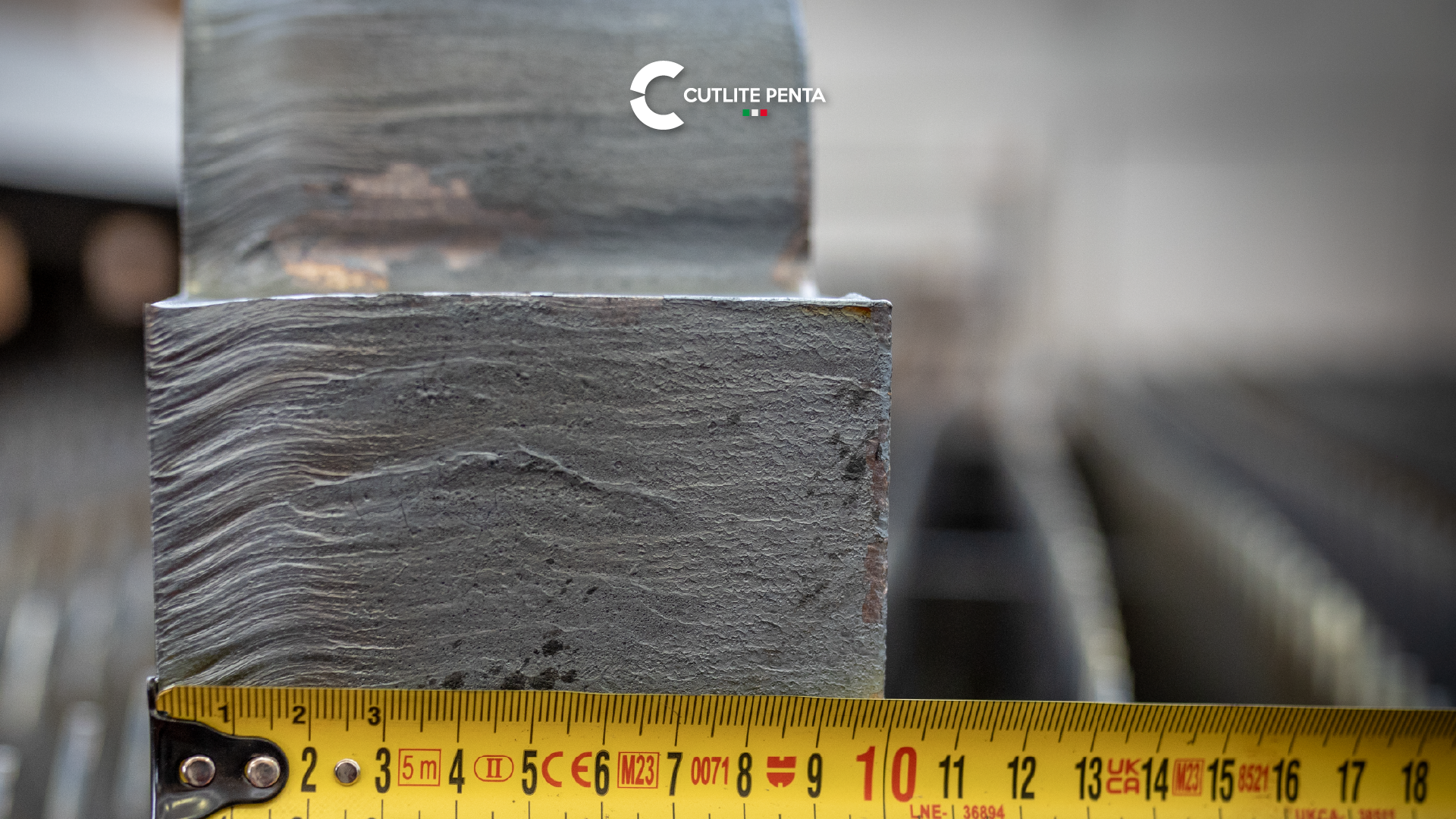
High-Power Laser Revolution: what we learned installing more than 90 systems from 30 to 60 kW
Since 2023 we have installed more than 90 laser systems rated 30, 40, 50 and 60 kW. That is not a press-release number: it is the reason we now know exactly where high power pays off, and where it does not.
«High-power laser revolution, be part of it» is our claim, and this page is the accounting behind it. What really changes when you go from 12 to 40 kW, which jobs the laser has taken over from plasma, where plasma and oxyfuel cutting remain the right call, and what to check before you sign.
What high power means in practice
High-power laser cutting starts with fiber laser sources of 30 kW and runs to the 60 kW available today. It is not simply a bigger number on the plate: above a certain threshold the whole machine is designed differently, from the cutting head and the optics to the assist gas and the fume extractor.
For a production shop, four things change:
- New thicknesses: ranges that used to be out of reach for the laser come into play
- Speed on medium thickness: this is where high power shows most, not on thin sheet
- Edge quality: a narrow cut and less heat distortion than traditional thermal cutting
- Less rework: many parts come off ready for the next step, with no deburring
The numbers behind our installed base
Since 2023 we have put more than 90 systems rated 30, 40, 50 and 60 kW into production, in Italy and abroad. That installed base gives us something hard to buy: we know how these powers behave on a shop floor, not in a lab.
Ninety installations teach you above all where things go wrong:
- the right configuration starts from your real mix of materials and thicknesses, not from peak power
- assist gas weighs on the cost per meter as much as the machine weighs on the investment
- without proper loading and unloading, high power sits idle waiting for an operator
- operator training decides how much of the machine you actually use
Where high-power laser has taken over from plasma
On plenty of jobs the comparison is settled. At 40, 50 and 60 kW the laser covers thicknesses that were thermal-cutting territory for years, and it covers them with different tolerances and a different finish.
- Clean edge and narrow cut: parts reach bending or welding with less preparation
- Less heat distortion, so less straightening on long parts
- One machine across thicknesses, from thin sheet to heavy plate, without switching technology
- Bevel cutting on the same machine, where a second system used to be needed
The real numbers, though, do not come from us: customers give them on their own parts. Iron SpA replaced four plasma torches with a single 40 kW laser; other companies switched one machine off and kept the other. Each with their own maths.
And where plasma and oxyfuel cutting remain the right call
We write this part gladly, because it saves everyone time. The companies we visited over the past months still keep other cutting technologies alongside the laser: a plasma machine for bevel cutting on large formats, oxyfuel cutting for thicknesses beyond 150 or 200 mm, or both.
The reason is simple: above a certain size and thickness, the cost per part of thermal cutting stays lower, and the tolerance required on those parts is often generous. If someone tells you the laser has made everything else pointless, ask on what thickness and in what material. We wrote a whole page on that question.
High-power laser cutting has not wiped out the other technologies. It moved the line where each one pays off, and it keeps moving it.
What to check before replacing a plasma machine with a high-power laser
It is the question we get most often, and the answer is not a brochure but a checklist. Before deciding, look at these:
- Your real thickness mix: how much of your work sits in the range where high power pays, and how much outside it
- The materials: carbon steel, stainless, aluminum and high-strength steels behave differently
- The gas: which one, at what pressure, at what price and through which distribution system
- The electrical power available in the shop and the consumption of the complete system
- Loading and unloading: without automation the machine runs at a fraction of its potential
- The fume extractor: laser cutting produces fumes and needs extraction, like any thermal cutting
- Consumables: nozzles, protective windows and focal lenses are a recurring cost, different from plasma but real
- Training for whoever will run the machine, and who supports you when it stops
The fastest way to answer all of this is to bring us your drawings and your material: cutting gets tested in our DEMO area, on your own parts, and the maths is done on your numbers.
What experience actually adds
With ninety high-power systems installed, what we do before and after the sale counts as much as the machine:
- system configuration built on your mix of materials and thicknesses, before the quotation
- cutting tests in the DEMO area on your parts, with the parameters you will find on your floor
- technical support from people who have already seen that power on that material
- process optimization over time, as your job mix changes
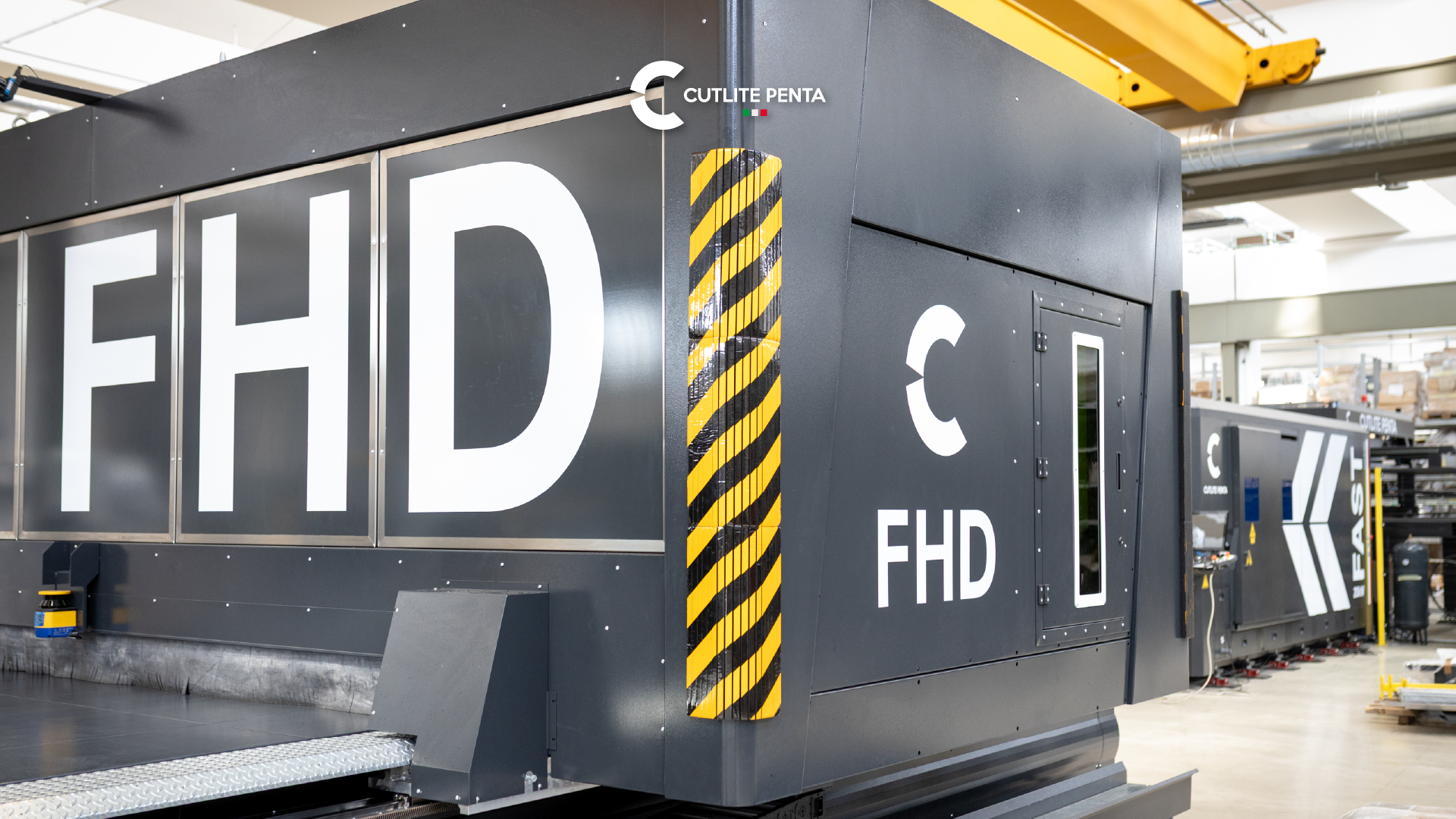
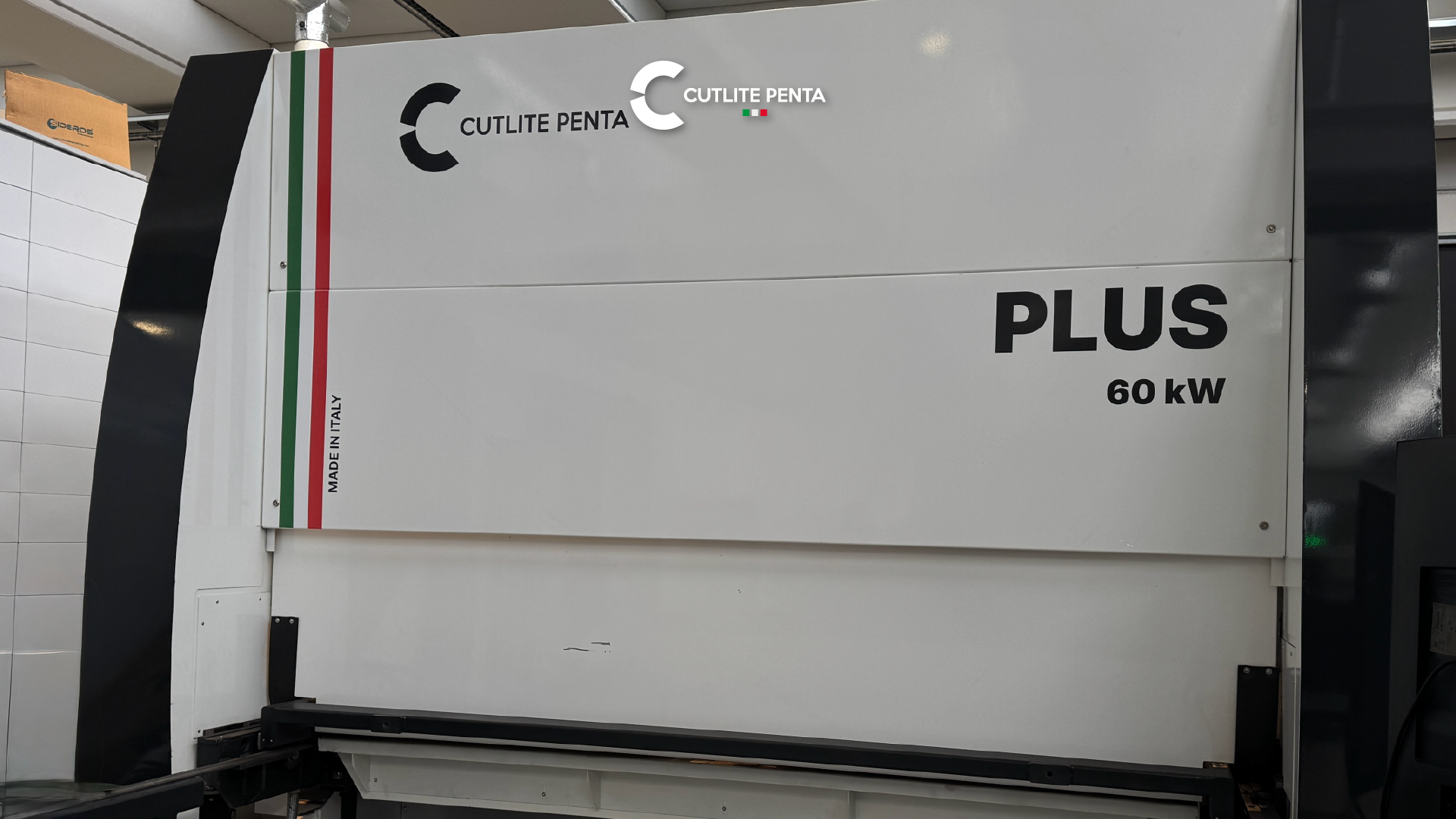
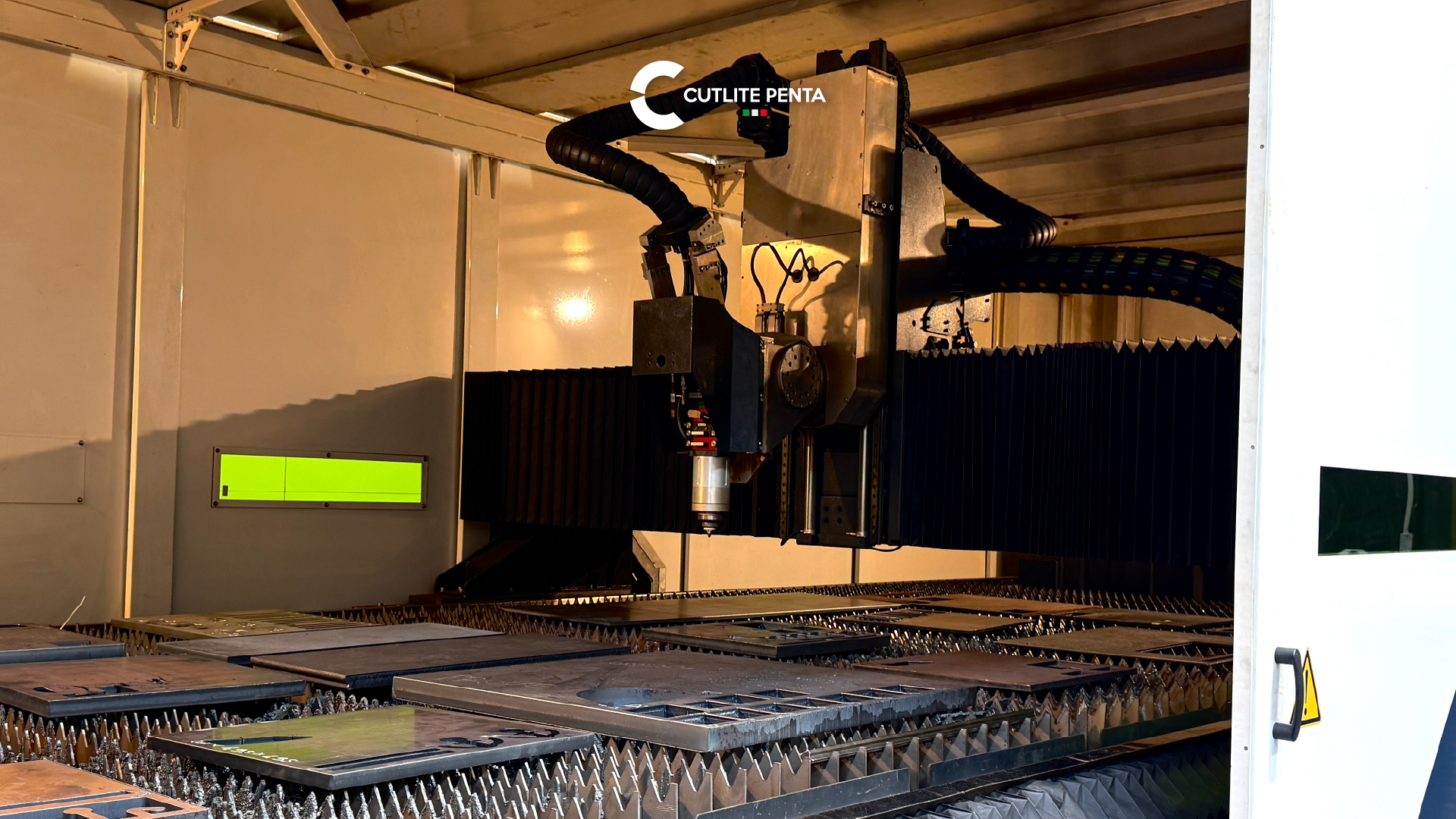
The high-power machines in the range are the PLUS EVO for linear cutting, the PLUS Bevel for bevel cutting and the FHD for large formats. All of them carry the Evo 4 cutting head, designed in house.
Frequently asked questions
What is high-power laser cutting?
Fiber laser cutting with sources of 30 kW and above, up to the 60 kW available today. It is used on medium and heavy thicknesses while keeping the tolerances and edge finish typical of the laser. Above that threshold the machine design changes too: cutting head, optics, assist gas and extraction.
Does high-power laser replace plasma?
On many jobs it does, and you can see it among our customers: companies that installed a 40 or 60 kW laser have often retired their plasma machine for flat cutting. Not on every job, though. Above 150 or 200 mm and on oversized formats oxyfuel cutting remains cheaper, and several shops keep a plasma machine for bevel cutting on large formats. What moves with power is the line where each technology pays off, not the existence of the others.
How many high-power systems has Cutlite Penta installed?
More than 90 systems rated 30, 40, 50 and 60 kW since 2023, in Italy and abroad. That installed base is the foundation of how we configure systems, set cutting parameters and support these powers technically.
How do you tell whether moving from plasma to laser is worth it?
By looking at your real mix of thicknesses and materials, the cost of gas, the electrical power available, loading and unloading, fume extraction, consumables and operator training. The fastest way is to test the cut on your own parts in a DEMO area and do the maths on your numbers, not on an industry average.
How much power do you actually need?
Bring us the material, thicknesses and tolerances of your parts. Cutting gets tested in our DEMO area in Prato, and the answer is not always the highest power.
