


How a die is made
Making a die is an automated process, but one built on precise steps.
Design and manufacturing change depending on the purpose, the type of board to be die-cut (solid or corrugated) and the die-cutter used.
In this article we look at how a die is made and the different steps that make up its production.
The die-making process
The first steps go from the box drawing to the die design:
- The converter provides the die-maker with a graphic draft of the box to be produced.
- The die-maker designs the prototype with a CAD program and produces a sample with a plotter. The converter checks and tests the prototype and decides whether it is valid.
- Once the prototype is final, work moves to the CAD design of the die.
What is designed in the die
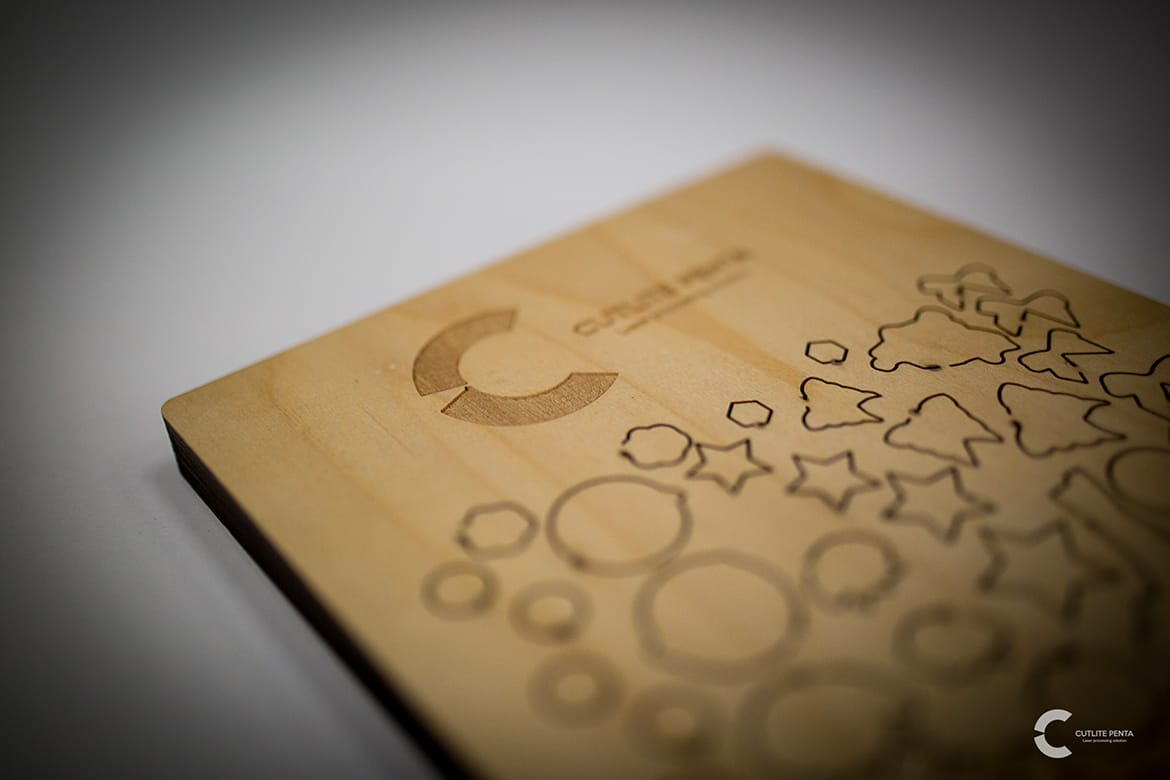
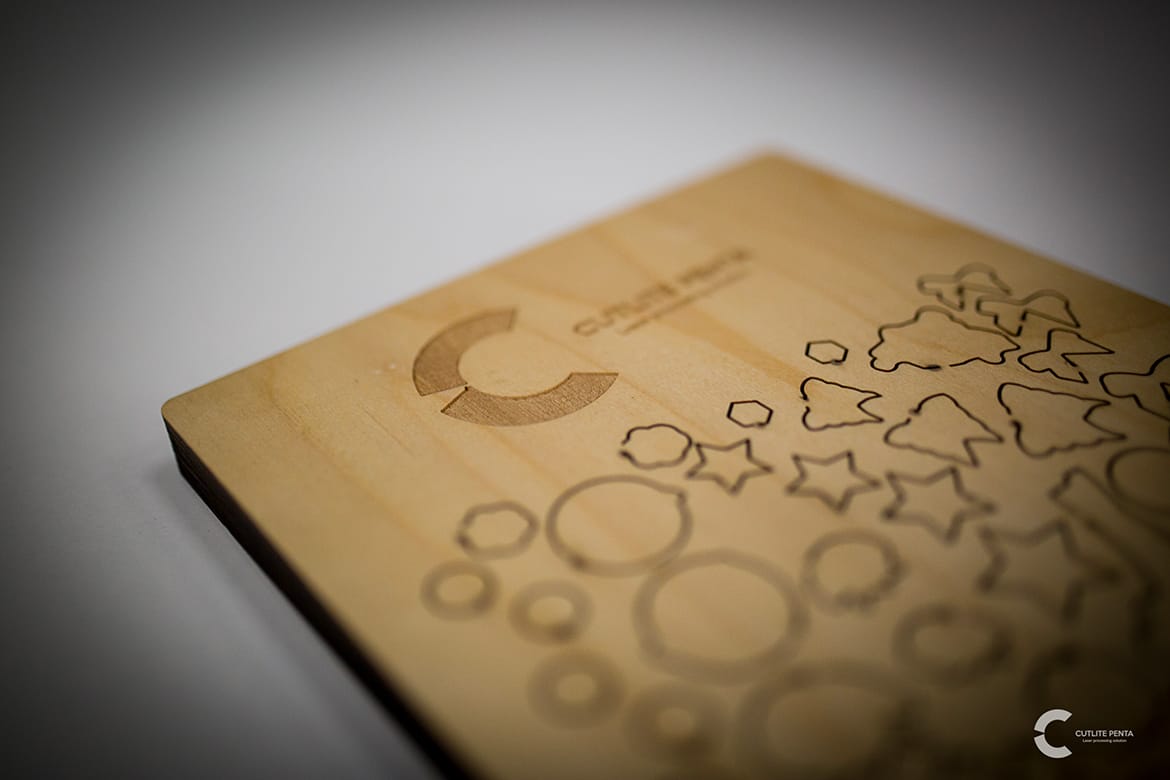
- The laser cutting of the die
- The cutting rules and the creasing rule, to be processed with automatic benders
- The rubbering, to be processed with water jet or plotter
- The counter dies (or counter plates) and the ejectors, to be processed with milling machines
This design is created as files with the .CF2 extension which, through layers of different colors, make it possible to output all the operations: each operation matches a color.
From laser cutting to rubbering
After the laser cutting of the die, the cutting rules (for the perimeter cut of the box) and the creasing rules (which define the folding areas) are inserted by hand.
Finally, the rubbering stage completes the die: it protects the inserted blades and eases ejection during die-cutting, avoiding problems such as paper jams, "angel hair", pressure recalibration, needle setting and so on.
Choosing the die-cutter
A key aspect is choosing the die-cutting machine and how many stations it has. The die-cut sheet can in fact go through two more operations:
- Stripping, with an extraction system: traditional, dynamic or based on new technologies such as StripClip® and QuickStrip®.
- Blank separation, which allows faster stacking of the final product.
The die-cutting itself
Die-cutting in the strict sense takes place by loading the die into the machine, with the preliminary make-ready: a pressure test of the die-cutter cylinders on a make-ready sheet.
This pressure is compensated with special tapes to build up and balance the pressure across the whole die. The die acts as the male, especially in the areas to be creased; the female is obtained through "counter-creasers" applied to a steel plate cut to the size of the machine's die-cutting area. These counter-creasers, together with the die's creasing rules, define the fold lines of the boxes.
This is how a die is made and all the steps this operation requires.
Frequently asked questions
What is a cutting die?
It is the tool that cuts and creases cardboard: a wooden panel fitted with cutting rules and creasing rules, then mounted on the die-cutting press.
What are the steps to make a cutting die?
A layout from the converter, CAD design, a plotter prototype, laser cutting of the panel, insertion of the rules, rubbering and mounting on the press.
Why is laser cutting used for dies?
Because the channels that hold the rules must stay within hundredths of a millimeter: the laser cuts them with constant precision and no tool wear.
What is the difference between a flat and a rotary die?
A flat die comes from a flat birch panel, a rotary die from a panel curved onto the machine cylinder: cutting geometry and tolerances change.
Discover what a Cutlite Penta fiber laser can do for your production
Tell us about your work: we'll help you find the laser system best suited to your thicknesses, volumes and goals.
